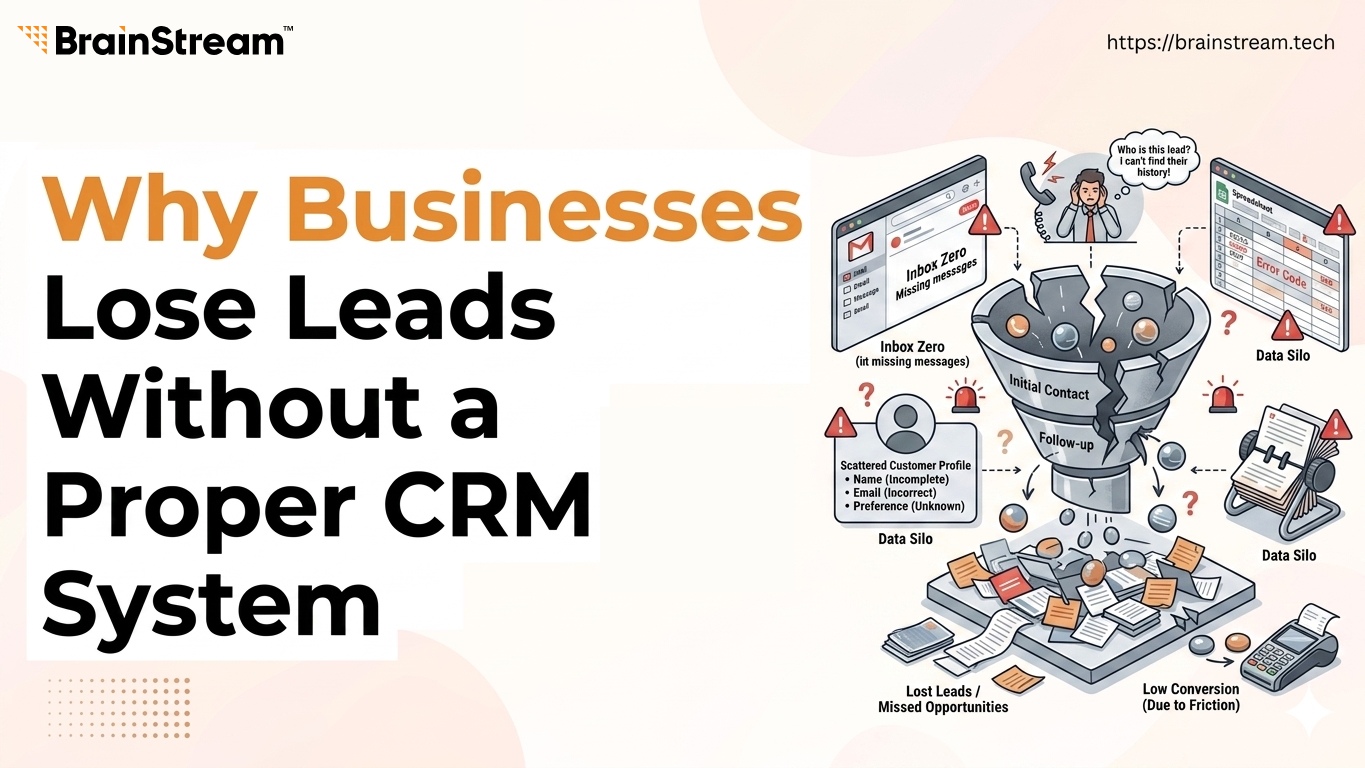
Why Businesses Lose Leads Without a Proper CRM System?
Every business invests time, money, and energy into generating leads. Whether it’s through paid ads, SEO, social media, or referrals, the goal is simple: convert prospects into customers.
But here’s the uncomfortable truth: many businesses don’t lose leads because of poor marketing. They lose them because they don’t manage them properly.
Without a structured system, even high-quality leads slip through the cracks. Emails go unanswered, follow-ups are missed, and potential deals quietly disappear. This is where the absence of a proper CRM system becomes a costly mistake.
Let’s break down exactly why businesses lose leads without a CRM and what it’s really costing you.
What is a CRM System and Why It Matters?
A Customer Relationship Management (CRM) system is more than just a contact database. It’s a centralized platform that tracks interactions, manages pipelines, and ensures no opportunity is overlooked.
Instead of juggling spreadsheets, emails, and sticky notes, a CRM brings everything into a single, organized system, giving your team clarity and control over the entire sales process.
1. Leads Get Lost in Scattered Data
When your data is spread across Excel sheets, inboxes, WhatsApp chats, and notebooks, it’s only a matter of time before something goes missing.
A lead might fill out a form today, but if it isn’t logged properly, it may never be followed up.
The result:
- Missed opportunities
- Confused teams
- Zero visibility on lead status
With a CRM, every lead is captured automatically and stored in one place, no guesswork, no chaos.
2. Poor Follow-Up Timing Kills Conversions
Speed matters. Studies consistently show that leads contacted within minutes are far more likely to convert than those contacted hours later.
Without a CRM:
- Follow-ups depend on memory
- No reminders or automation
- Delays become common
By the time you reach out, the prospect may have already chosen a competitor.
A CRM ensures timely follow-ups with automated reminders and workflows, so no lead goes cold.
3. Lack of Visibility in Sales Pipeline
If you can’t see where your leads are in the pipeline, you can’t manage them effectively.
Businesses without CRM often struggle with:
- Not knowing how many active leads they have
- No clarity on deal stages
- Inconsistent sales processes
This leads to unpredictable revenue and poor decision-making.
A CRM gives you a clear pipeline view, so you know exactly what’s happening at every stage.
4. No Personalization in Communication
Modern customers expect personalized communication. Generic emails and random calls don’t work anymore.
Without CRM data:
- You don’t know the customer’s history
- Conversations feel disconnected
- Trust is harder to build
With CRM:
- You track previous interactions
- Understand customer needs
- Deliver relevant communication
This dramatically improves engagement and conversion rates.
5. Team Collaboration Breaks Down
In growing businesses, multiple people often handle sales and customer communication. Without a centralized system, things get messy.
Common issues include:
- Duplicate follow-ups
- Missed handovers
- Internal confusion
A CRM ensures everyone is on the same page, and sales, marketing, and support teams work together seamlessly.
6. No Data-Driven Decision Making
If you’re not tracking your leads properly, you’re essentially guessing.
Without CRM analytics:
- You don’t know which channels perform best
- No insight into conversion rates
- Hard to optimize campaigns
A CRM provides real-time insights so you can make smarter business decisions.
7. Scaling Becomes Nearly Impossible
What works for 10 leads per week won’t work for 100.
Manual systems break as your business grows. Without CRM:
- Processes become inconsistent
- Lead handling becomes slower
- Revenue growth stalls
A CRM system builds a scalable foundation, allowing you to handle increasing lead volume without losing efficiency.
Hidden Cost of Not Using a CRM
Many businesses hesitate to invest in a CRM, thinking it’s an added expense.
In reality, the cost of not using one is far greater:
- Lost deals you never tracked
- Wasted marketing budget
- Reduced customer lifetime value
- Poor brand experience
You’re not just losing leads, you’re losing revenue.
How a CRM Transforms Your Lead Management?
Implementing the right CRM system changes everything:
- Centralized lead management
- Automated follow-ups
- Better team coordination
- Real-time reporting
- Improved customer relationships
It turns a reactive sales process into a proactive, structured system.
Choosing the Right CRM for Your Business
Not all CRM systems are created equal. The right choice depends on your business size, goals, and workflows.
Look for features like:
- Lead tracking and automation
- Integration with your website and marketing tools
- Customizable pipelines
- Reporting and analytics
- Scalability
A well-implemented CRM isn’t just software; it becomes the backbone of your sales strategy.
Final Thoughts
Leads are the lifeline of your business. But generating leads is only half the job; managing them effectively is what drives revenue.
Without a proper CRM system, you’re relying on manual processes that can’t keep up with modern business demands.
If your business is serious about growth, it’s time to move beyond spreadsheets and adopt a structured CRM approach.
Because in today’s competitive landscape, the difference between winning and losing a customer often comes down to how well you manage your leads.

Manish Khilwani
Author
Co-Founder at BrainStream Technolabs, he focuses on building people-first, scalable eCommerce and digital products that help brands grow with clarity and innovation.
Table of contents
BLOGS
Learn & Grow with Us
Get the latest updates on trends and strategies that shape the business world. Our insights are here to keep you informed and inspired.
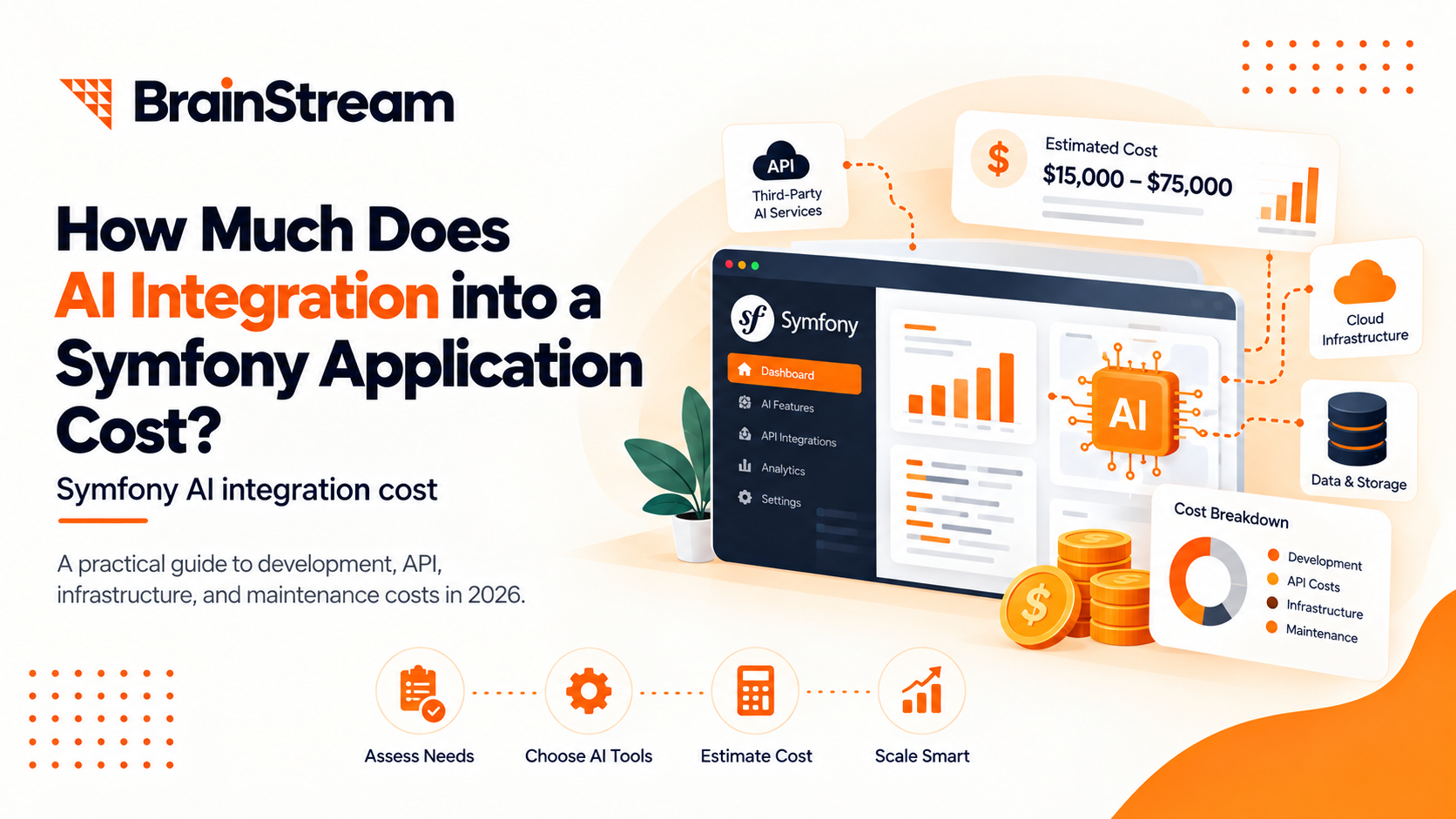
How Much Does AI Integration into a Symfony Application Cost in 2026?
Adding artificial intelligence to your Symfony application can improve customer…
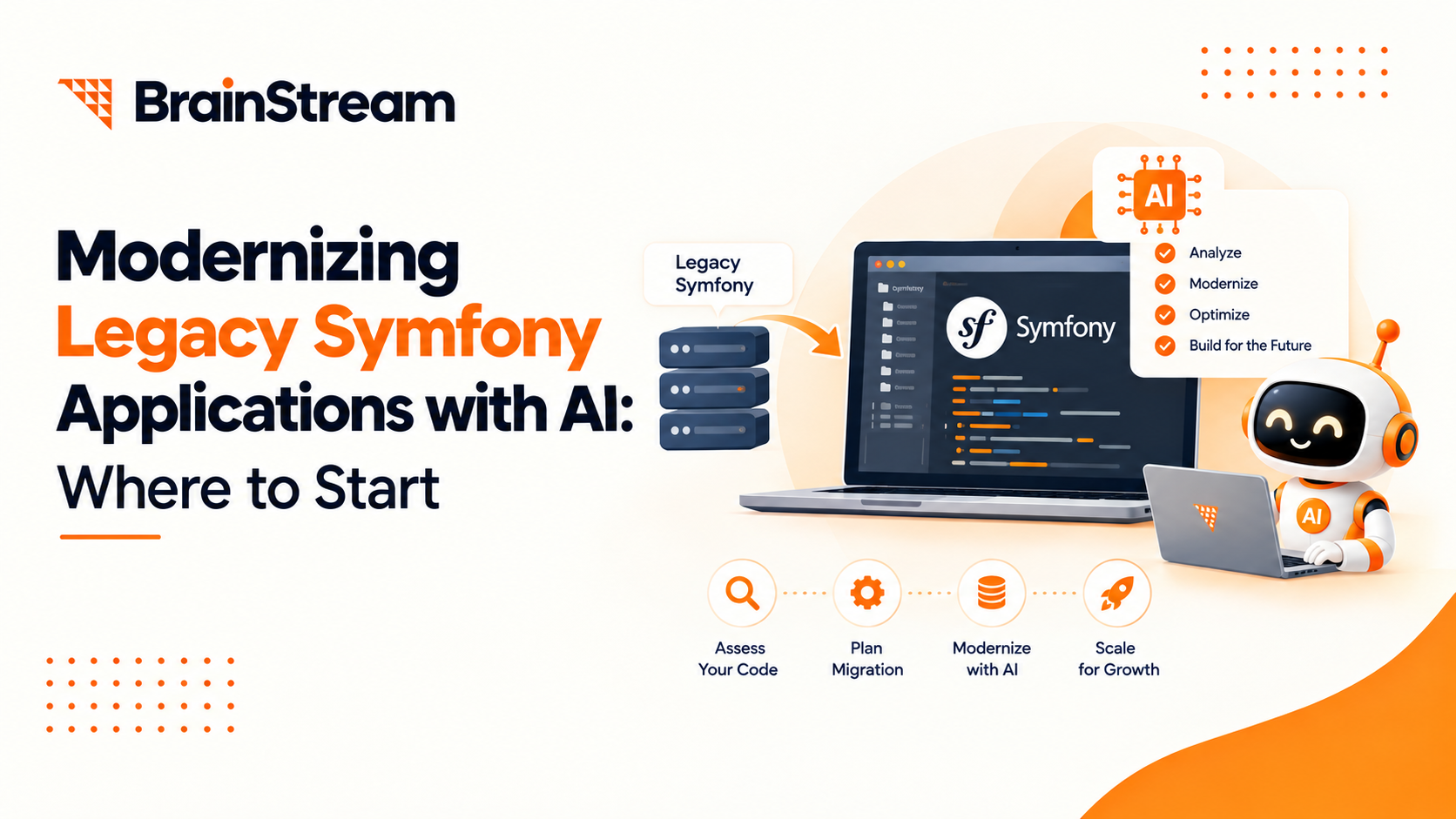
Modernizing Legacy Symfony Applications with AI: Where to Start
Your Symfony application still runs your business. However, adding features…
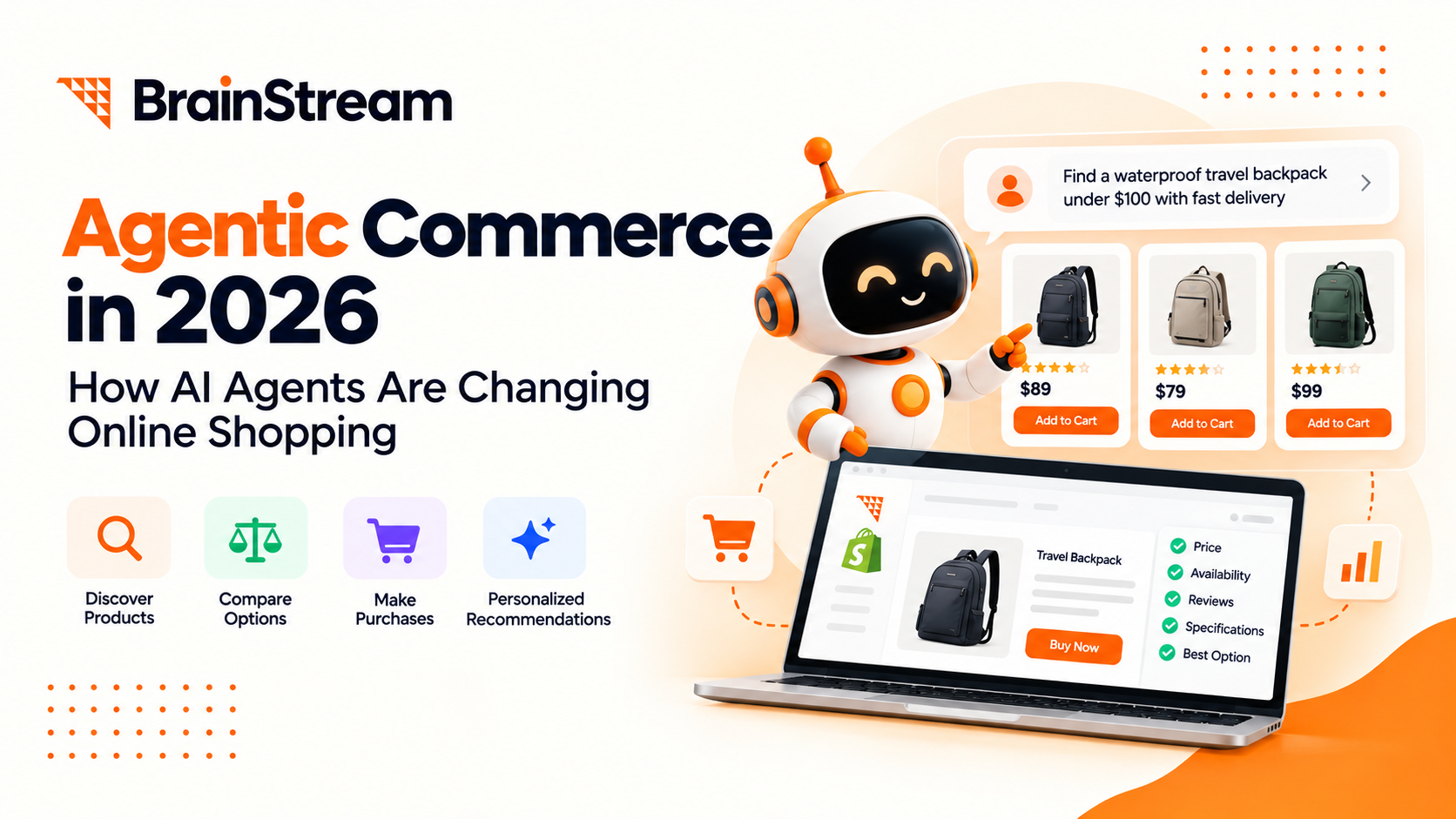
Agentic Commerce in 2026: How AI Agents Are Changing Online Shopping
Online shopping is entering a new phase. For years, shoppers…
Top 7 Must-Have Bagisto Extensions to Improve Your eCommerce Store in 2026
Running an online store takes more than adding products and…