













Summary:
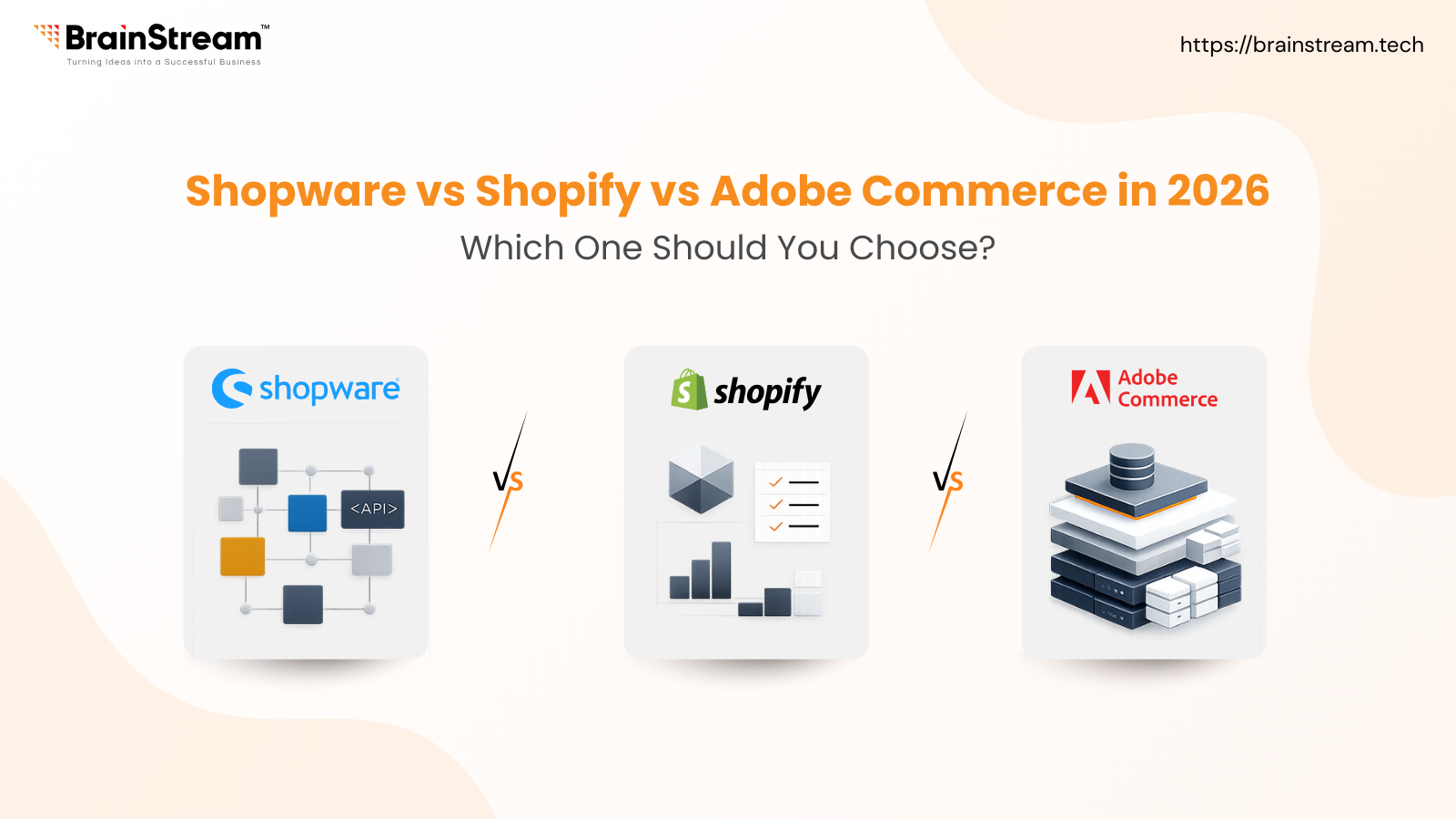
Shopify and Shopware are both powerful eCommerce platforms, but they serve different business needs. Shopify is a fully hosted SaaS solution designed for fast setup, ease of use, and scalable growth with a large app ecosystem. Shopware is an open-source platform that offers advanced customization, strong native B2B features, and full control over hosting and data. In this 2026 guide, we compare Shopify vs Shopware across features, pricing, SEO, scalability, and use cases to help you choose the right platform for your business.
December 24, 2025
Choosing the right e-commerce platform is one of the most important decisions for any online business. With rapid digital transformation and fierce competition, the choice between Shopify and Shopware can define your growth, scalability, and long-term success. Both platforms enable you to build powerful online stores, but they differ fundamentally in philosophy, features, flexibility, and cost. This guide compares Shopify and Shopware based on real capabilities, current platform data, and user feedback to help you make an informed choice.
1. What Are Shopify and Shopware?
Shopify Overview
Shopify is a globally popular cloud-based SaaS (Software as a Service) e-commerce platform designed to help merchants build and manage online stores without needing deep technical expertise. It’s used by millions of brands in over 175 countries and is known for its ease of use, reliability, and strong ecosystem of apps and integrations.
Shopware Overview
Shopware is an open-source e-commerce platform developed in Germany and widely adopted in the DACH region (Germany, Austria, Switzerland) and beyond. It offers extensive flexibility and customisation options, making it ideal for businesses with unique requirements or complex online commerce needs.
2. Core Differences at a Glance
| Feature | Shopify | Shopware |
| Type | SaaS (Cloud-hosted) | Open-Source / Self-hosted or Cloud |
| Ease of Use | Very beginner-friendly | Requires technical expertise |
| Customization | Themes + Apps | Deep code-level control |
| Hosting | Included | Self-hosted or optional cloud |
| Best For | Small to large businesses | Mid-to-large businesses & custom stores |
| B2B Features | Via Shopify Plus | Built-in robust B2B features |
| Transaction Fees | Can apply | No extra fees for third-party payments |
| App Ecosystem | ~8,000+ apps | ~2,900+ plugins |
| Partner Network | Larger | Smaller but growing |
3. Ease of Setup & Use
Shopify: Simplicity First
Shopify’s biggest advantage is its user-friendly setup. You can launch a store quickly without server setup, security management, or scaling concerns. Its drag-and-drop builder and intuitive dashboard make store management accessible even if you’re not technical.
Shopware: Flexibility With Learning Curve
Shopware offers extensive customisation, but this breadth comes with complexity. Setting up and tailoring the platform often requires shopware developer expertise. Businesses that want unique workflows, complex catalogues, or advanced integrations can leverage Shopware’s architecture, but it’s not as plug-and-play as Shopify.
Best Choice for Beginners: Shopify
Best Choice for Custom Projects: Shopware
4. Features & Functionality
Shopify Strengths
- All-in-one platform with built-in hosting, security, analytics, payment processing, and updates.
- Large theme and app ecosystem enabling easy expansion of store capabilities.
- Multi-channel selling (social, marketplace, POS) with minimal setup.
- 24/7 support via chat, email, and phone.
Shopify also continually innovates, integrating features like AI-powered tools and unified commerce solutions that support both online and offline sales.
Shopware Strengths
- Open-source flexibility – total control over code and architecture.
- No extra payment fees with third-party gateways.
- Full choice over data and hosting, including AWS, Google Cloud, or Azure.
- An extensible system with powerful content and design tools like “Shopping Experiences.”
The result? Shopware lets you craft tailored commerce experiences and build headless or highly bespoke stores, ideal for brands with unique digital commerce goals.
5. Customization & Design
Shopify
- Offers 250+ themes with drag-and-drop editing.
- Best for ready-to-deploy designs and quick launch.
- Liquid templating allows developers deeper custom control.
Shopware
- Around 150+ themes available.
- Full code access using Twig and SCSS – ideal for bespoke layouts.
- “Shopping Experiences” builder allows rich, interactive designs.
Winner for Creative Freedom: Shopware
Winner for Quick Store Setup: Shopify
6. B2B & Wholesale Capabilities
Shopware includes robust B2B infrastructure out of the box, such as dynamic pricing, quote management, and complex customer workflow, making it ideal for wholesalers, manufacturers, or businesses with multi-tier pricing.
Shopify offers B2B features primarily through Shopify Plus, but they are more limited compared to Shopware’s native suite.
Best for Deep B2B Needs: Shopware
7. SEO, Marketing & Integrations
Shopify
- Easy SEO basics (meta titles, alt text, blog, sitemaps).
- Strong multi-channel marketing tools for social and marketplaces.
- Apps expand capabilities for automation, analytics, and customer engagement.
Shopware
- Powerful SEO customisation (full control over URLs, rich snippets, meta elements).
- “Shopping Experiences” supports rich storytelling layouts.
- Many marketing features require plugins or custom setups.
Best for SEO Customisation: Shopware
Best for Built-in Marketing Tools: Shopify
8. Costs & Pricing
Shopify
- Subscription starts basic (around $29/month) with higher tiers for added features.
- Additional costs for apps, premium themes, and third-party transaction fees can apply.
Shopware
- Shopware Community Edition is free but requires hosting and dev work.
- Cloud plans (Rise, Evolve, Beyond) can range from hundreds to thousands of euros per month, depending on features.
Conclusion on Cost:
Shopify’s predictable monthly fees make it attractive for straightforward stores. Shopware can be cheaper for complex projects in the long run, but only if you have the technical resources.
9. Support & Ecosystem
Shopify
- Large app ecosystem (~8,000+ apps).
- Extensive partner network and 24/7 support.
- Strong documentation and developer tools.
Shopware
- Smaller marketplace of plugins (~2,900+).
- Partner network is smaller but skilled in custom commerce.
- Community and enterprise support depending on the plan.
Best for Third-Party Flexibility: Shopify
Best for Custom Support Projects: Shopware
10. Final Verdict: Which Platform Should You Choose?
Choose Shopify if:
- You want a quick, easy setup with minimal tech hurdles.
- You value a large app ecosystem and unified commerce tools.
- You’re running a DTC brand, startup, or fast-scaling business.
- You want predictable pricing and hosted infrastructure.
Ideal For: Beginners, SMBs, and brands seeking fast time-to-market.
Choose Shopware if:
- You need deep customisation and full control of your store.
- Your business has complex workflows or B2B requirements.
- You’re comfortable investing in developers or technical resources.
- You want flexibility over hosting, data storage, and architecture.
Ideal For: Mid-to-large enterprises, bespoke commerce projects, and open-source advocates.
Conclusion
Both Shopify and Shopware are powerful e-commerce platforms in 2026, but they serve different business needs. Shopify excels in simplicity and ecosystem power, while Shopware wins on customisation and control. Your choice will depend on your business size, technical resources, budget, and long-term goals.
Quick rule:
Fast rollout and growth → Shopify
Custom, scalable commerce engine → Shopware
Frequently Asked Questions (FAQs)
1. What is the main difference between Shopify and Shopware?
The main difference is the platform model. Shopify is a fully hosted SaaS platform, meaning hosting, security, and updates are managed for you. Shopware is an open-source platform, giving businesses full control over code, hosting, and customisation.
2. Which platform is better for beginners: Shopify or Shopware?
Shopify is better for beginners because it requires minimal technical knowledge, offers an intuitive dashboard, and includes hosting and security out of the box. Shopware usually requires developer support for setup and customisation.
3. Is Shopware better than Shopify for B2B eCommerce?
Yes. Shopware offers strong native B2B features, including customer-specific pricing, role-based permissions, and complex workflows. Shopify supports B2B mainly through Shopify Plus, but its native B2B functionality is more limited compared to Shopware.
4. Which platform offers more customisation flexibility?
Shopware offers greater customisation flexibility because it is open-source and allows full access to backend code, APIs, and hosting choices. Shopify supports customisation through themes, apps, and Liquid templates, but has platform-level limitations.
5. Is Shopify or Shopware better for SEO?
Both platforms are SEO-friendly, but Shopware provides more advanced SEO control, including URL structures, metadata, and technical optimisation. Shopify is easier to manage for basic SEO but offers less flexibility at a technical level.
6. How do Shopify and Shopware compare in pricing?
Shopify uses a monthly subscription model, with additional costs for apps, premium themes, and transaction fees. Shopware offers a free Community Edition, but costs may arise from hosting, development, plugins, or enterprise cloud plans.
7. Can Shopware be used as a headless commerce platform?
Yes. Shopware supports headless and API-first architecture, making it suitable for custom frontends, PWAs, and omnichannel commerce. Shopify also supports headless commerce, but advanced setups often require Shopify Plus.
8. Which platform is better for scaling an enterprise business?
Both platforms can scale, but Shopware is often preferred for enterprise-level and complex commerce projects, especially in Europe. Shopify is excellent for scaling DTC and omnichannel brands quickly with less technical overhead.
9. Does Shopify charge transaction fees?
Yes, Shopify may charge transaction fees if you use third-party payment gateways. These fees can be avoided by using Shopify Payments (availability depends on region). Shopware does not charge platform-level transaction fees.
10. Which platform should I choose in 2026?
Choose Shopify if you want speed, simplicity, and a managed solution. Choose Shopware if you need deep customisation, strong B2B capabilities, and full control over your eCommerce infrastructure.

Manish Khilwani 

Co-Founder at BrainStream Technolabs, he focuses on building people-first, scalable eCommerce and digital products that help brands grow with clarity and innovation.
Share :


Related Blog
Shopware
Shopware Community Day 2026: The Ultimate Global Event for the Shopware Ecosystem
Shopware Community Day 2026 (SCD 2026) is more than just an ecommerce conference; it is the most important annual event for the global Shopware community. From extension partners to merchants and technology innovators, SCD 2026 brings together everyone building, scaling,...
Shopware
Shopware Gateways: A Flexible Way to Extend Shopware
A Shopware gateway acts as a dedicated communication layer between a Shopware store and external App servers. Each gateway is designed for a specific integration area, such as checkout processes, customer context handling, or in-app purchases, while relying on a...

Shopware
Shopware Product Recommendations in 2026: From Cross-Selling to AI-Driven Product Consultation
In 2026, simple product sliders and static cross-sell recommendations aren’t enough. Today’s customers expect personalized guidance, and AI-based product consultation turns your Shopware store into a real advisor, driving higher conversions and better customer satisfaction. Standard Shopware cross-selling shows products,...


Keep up-to-date with our newsletter.
Sign up for our newsletter to receive weekly updates and news directly to your inbox.