










Summary:
How AI helps personalize every stage of the marketing funnel from awareness to retention. It covers how AI-driven insights, automation, and predictive analytics improve engagement, conversions, and customer loyalty by delivering the right message to the right audience at the right time.
January 23, 2026
Personalization isn’t a “nice-to-have” anymore; it’s a must-have. Today’s audiences expect experiences tailored to their needs, preferences, behavior, and even mood. The problem? Most businesses still treat personalisation as an add-on rather than a core strategy.
AI changes all of that.
By harnessing the power of artificial intelligence, you can deliver personalized experiences at scale, in real time, and at every stage of your marketing funnel from awareness to retention. This isn’t about gimmicks or surface-level customization. It’s about delivering the right message to the right person, at the right time, every single time.
In this blog, we’ll show you how to apply AI-driven personalization through your funnel and turn more prospects into loyal customers.
Why Personalization Matters More Than Ever
Before we dive into tactics, let’s tackle the “why.”
Customers today don’t make decisions the way they used to. They research independently, jump between channels, and expect instant relevance. A generic email sequence or “one-size-fits-all” landing page no longer cuts it.
Here’s what’s changed:
- Customers expect relevance – They want content and offers that feel like they were built just for them.
- Competition is everywhere – If your message feels generic, someone else’s will feel personal and win the sale.
- AI enables scale – You don’t need a huge team to personalize at scale anymore; you just need the right systems.
Personalization used to be manual, time-consuming, and expensive. But thanks to AI, it’s now fast, scalable, and smarter than ever before.
AI + Personalization: The Power Combo
At a high level, AI helps personalization in three big ways:
- Understanding audiences deeply – AI can analyze behavior patterns, preferences, and intent signals that humans can’t see at scale.
- Predicting what people want next – Advanced algorithms can forecast what message, product, or experience will most likely influence a person’s next action.
- Delivering the right experience at the right moment Through automation and real-time decisioning, AI triggers personalized interactions exactly when they matter.
- In short, AI turns personalization from a nice extra into a strategic differentiator.
Top of Funnel: Personalized Awareness That Converts
At the top of the funnel (TOFU), your goal is to attract as many of the right eyes as possible. But in a world where AI assistants and generative search tools are starting to summarize and synthesize answers before users ever click through, traditional visibility just isn’t enough anymore.
Use AI to Understand Intent Signals Early
AI tools can analyze search behavior, social trends, and content engagement to identify emerging intent clusters topics that your audience is starting to care about before they search directly. This lets you craft content that meets users where they are.
For example:
- Identify trending questions around your niche.
- Use AI to cluster similar topics and map them to content themes.
- Create educational posts that answer these questions directly with structured, AI-friendly formatting.
This boosts visibility and relevance.
Dynamic Content Recommendations
Modern AI tools can personalize content recommendations based on:
- User behavior (pages visited, time spent, actions taken)
- Contextual patterns (location, device, time of day)
- Previous interactions
This means that two visitors landing on the same blog post might see different next steps in your content journey and that’s powerful. Personalization at this stage keeps people engaged and leads them deeper into your funnel.
Tailored Advertising with AI Predictive Models
Advertising platforms now use AI to predict which audiences are most likely to engage with your message. But you can take it further by:
- Feeding CRM data to your ad platform to find lookalike audiences.
- Using AI clustering to segment cold audiences into meaningful micro-niches.
- Testing personalized variation ads (headlines, imagery, offers) at scale.
This reduces wasted ad spend and increases meaningful reach.
Middle of Funnel: AI for Personalized Nurturing
Once someone has shown interest, perhaps by signing up for a lead magnet or engaging with your conten,t the goal shifts: keeping them interested and building trust. This is where personalization moves from attraction to engagement.
AI-Driven Segmentation and Lead Scoring
Instead of generic newsletters, AI helps you segment leads based on actual intent and behavior. For example:
- Someone who downloaded a pricing guide is likely more purchase-ready than someone who read a blog post.
- Someone who revisits product pages repeatedly might be comparing options.
AI lead scoring assigns a dynamic score to each prospect based on multiple signals, and that means you can trigger different personalized nurture flows depending on their score.
Automated Personalized Emails
AI can now generate email content that speaks directly to the individual. Not just inserting a name, true personalization based on:
- Actions taken (what they downloaded, where they clicked)
- Engagement style (which topics they like)
- Purchase intent indicators
This level of personalization dramatically increases open rates, click-through rates, and conversions from your nurture sequences.
Chatbots That Learn and Personalize Conversations
Chatbots aren’t just for answering FAQs anymore. AI-powered conversational agents can:
- Identify where a visitor is in their journey
- Tailor questions and suggestions based on prior interactions
- Even recommend products or next steps based on behavior
This keeps prospects engaged without manual work from your team, and it boosts engagement at the crucial consideration stage.
Conversion Stage: Personalized Offers and Experiences
At the bottom of the funnel (BOFU), personalization needs to get strategic. The goal here isn’t just to convert a lead, it’s to turn them into a customer with confidence and clarity.
Predictive Recommendations That Close Deals
AI can predict the next best offer for a specific individual based on patterns from similar customers. This might include:
- Product recommendations based on browsing behavior
- Price incentives personalized to increase purchase likelihood
- Bundling suggestions tailored to expressed needs
When AI predicts what they want rather than guessing, conversions go up.
Dynamic Landing Pages
Instead of one static page, your landing pages can shift dynamically based on who visits them:
- Different headlines for first-time vs returning visitors
- Personalized messaging based on referral source
- Customized CTAs depending on past interactions
Dynamic personalization like this makes each visitor feel like the experience was built just for them, and that’s how you increase conversion rates.
Personalized Checkout Experiences
AI doesn’t stop at the “Buy Now” button; it helps reduce friction at checkout, too:
- Pre-fill forms based on past data
- Offer recommended add-ons based on user behavior
- Display trust signals (reviews, testimonials) that resonate with specific segments
These small touches combine to reduce cart abandonment and close more sales.
Retention and Expansion: Personalization That Keeps Customers Coming Back
Acquiring a customer is one thing, keeping them engaged and growing lifetime value is another.
AI-Driven Customer Insights
AI can churn customer data to reveal:
- Who is at risk of churn
- Who is most likely to buy again
- What products/features customers value most
This allows proactive outreach and highly personalized offers.
Automated Personalized Support
Customer support automation (AI agents) can respond in natural language and escalate issues to humans when needed, all personalized to the user’s history and preferences.
This enhances satisfaction and reduces churn.
Personalized Upsell and Cross-Sell
AI analyzes purchase patterns and recommends upsells or cross-sells at the perfect time:
- After a key product milestone
- When usage patterns reveal new needs
- Based on similarities with other high-value customers
This increases revenue without feeling pushy.
How to Build Your AI Personalization Engine
You now know why personalization matters and where it matters, let’s talk about how to implement it effectively.
1. Define Clear Personalization Goals
Start with what you want personalization to achieve, such as:
- Higher click-through rates
- More conversions
- Better retention
- Increased upsell revenue
Without goals, it’s just experimentation.
2. Collect Structured Data
AI needs structured, reliable data. Focus on:
- Behavioral signals (clicks, views, time spent)
- Transaction data
- Interaction history
- CRM and email engagement
Quality data leads to powerful predictions.
3. Select the Right AI Tools
There’s no single magic tool. Instead, pick:
- AI analytics platforms
- Personalization engines
- Predictive modeling tools
- Automated content generators
Make sure they integrate well with your existing systems.
4. Design Personalization Workflows
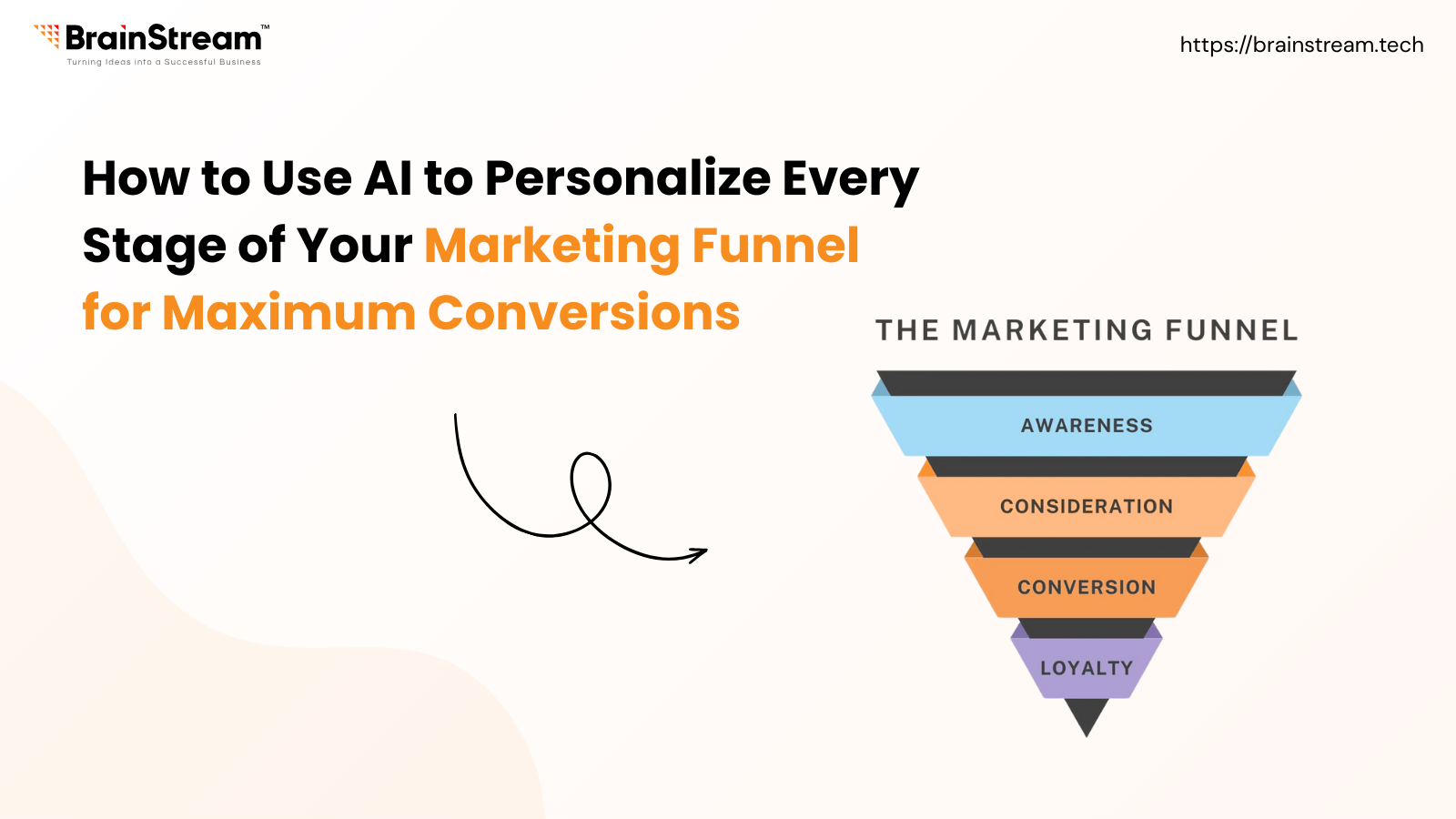
Each stage of the funnel needs its own personalization plan:
- Awareness: dynamic content and discovery
- Nurture: segmented messaging
- Conversion: tailored offers and triggers
- Retention: behavior-based outreach
Document these workflows and refine them over time.
5. Monitor, Learn, Adapt
AI isn’t “set and forget.” Continuously:
- Track performance
- Adjust segmentation
- Refine triggers and content
- Test new ideas
This iterative approach ensures performance keeps improving.
Common Pitfalls and How to Avoid Them
Even the best personalization strategies can fail if executed poorly. Here’s what to watch out for:
Too Much Too Soon
Don’t try to personalize everything at once. Start with the most impactful areas (like email and landing pages) and build from there.
Ignoring Privacy and Trust
AI personalization should respect user privacy. Always be transparent and compliant with data regulations.
Over-Automation
AI should augment your strategy, not replace human judgment. Always review AI outputs and adjust them to match your brand voice.
Conclusion
AI makes personalization possible at scale, but only when it’s applied strategically across the funnel.
From attracting the right audience with contextually relevant content, nurturing them with tailored messages, converting them with predictive offers, to delighting them with experiences that feel personal and thoughtful, AI transforms your funnel from a static process to a dynamic, user-centred journey.
When done right, AI personalization doesn’t just increase metrics, it builds trust, connection, and long-lasting relationships with your audience.
Now it’s your turn: start small, think big, and use AI to personalize your funnel in ways your competitors haven’t even imagined yet.
FAQ
Q1. What is an AI-powered marketing funnel?
An AI-powered marketing funnel uses artificial intelligence to analyze user behavior, predict intent, and personalize content, messaging, and offers across all funnel stages.
Q2. How does AI improve marketing funnel personalization?
AI improves personalization by processing large datasets in real time, identifying patterns, and delivering tailored experiences based on user actions, preferences, and intent.
Q3. Which funnel stages benefit most from AI personalization?
All stages benefit, including awareness, consideration, conversion, and retention. However, AI is especially impactful during lead nurturing and conversion stages.
Q4. Can small businesses use AI for marketing funnels?
Yes. Many AI tools are affordable and scalable, allowing small businesses to automate personalization without large teams or budgets.
Q5. Is AI personalization safe for user privacy?
When implemented correctly with transparent data usage and compliance with regulations like GDPR, AI personalization is safe and builds user trust.
Q6. What AI tools are commonly used for funnel optimization?
Common tools include AI-powered CRM systems, marketing automation platforms, predictive analytics tools, chatbots, and content personalization engines.

Bhavesh Chipa 

Bhavesh is a digital marketing expert and seasoned blog writer with a passion for SEO, content strategy, and online growth. He helps businesses boost their digital presence through data-driven strategies and engaging content.
Share :


Related Blog
Digital Marketing
Zero-Click Searches & AI Overviews: How to Stay Visible in 2026
Search is changing faster than most businesses realise. If you’re still measuring success only by clicks, rankings, or traffic volume, 2026 might feel uncomfortable. Because the truth is simple: users no longer need to click to get answers. Google, Bing,...
Digital Marketing
GTM Updates 2026: Essential Year-End Checklist for Marketers
In the technologically exciting world of AI tools and data-intensive marketing platforms, Google Tag Manager (GTM) may seem outdated. However, this shouldn't detract from the fact that even in 2026, GTM will remain one of the most powerful tools in...
Digital Marketing
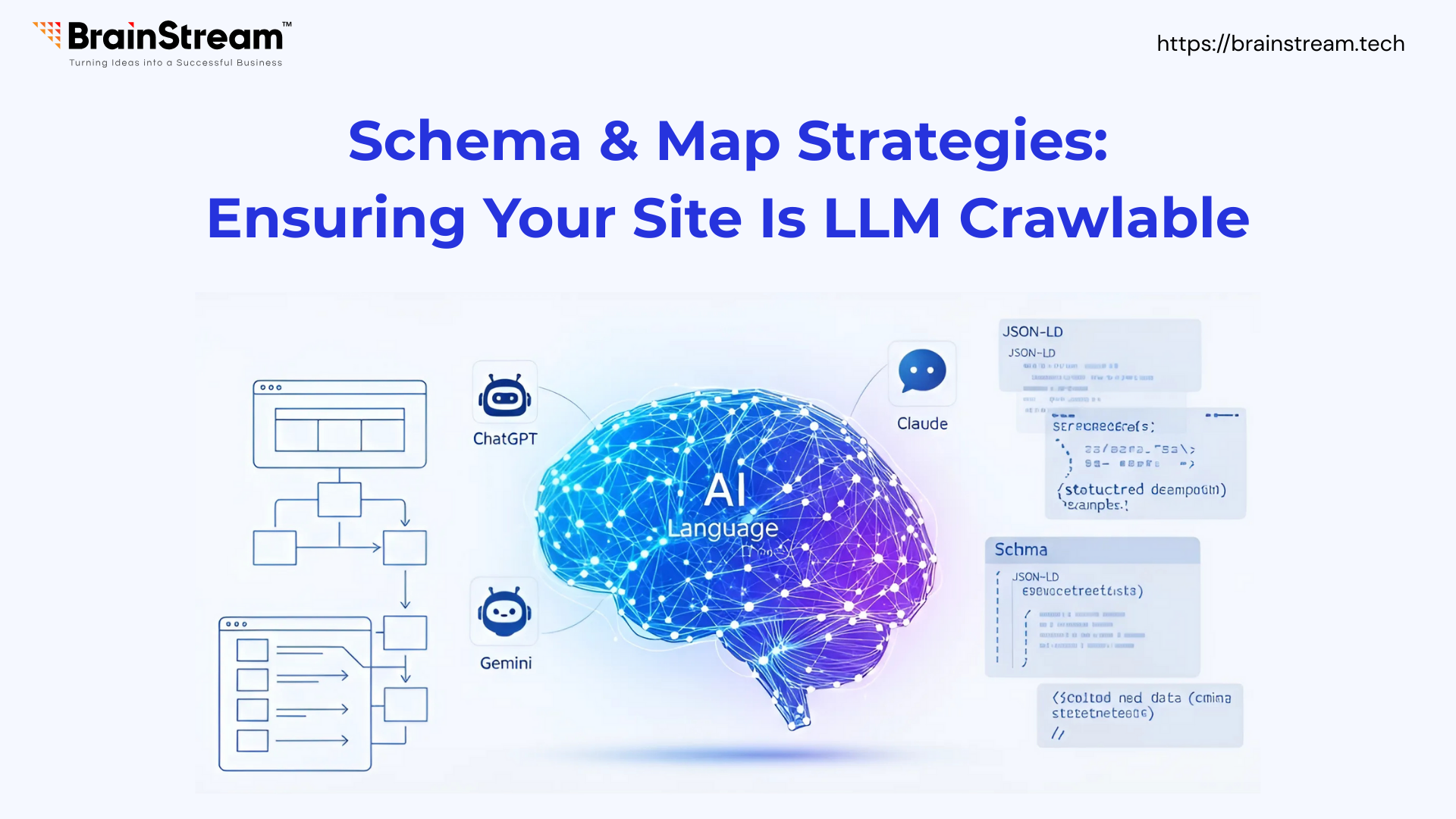
Schema & Map Strategies: Ensuring Your Site Is LLM Crawlable
Search is no longer just about ranking on Google. In 2025, the rise of AI-driven discovery engines powered by large language models (LLMs) like ChatGPT, Claude, and Gemini has changed the way people find answers online. Your website may be...


Keep up-to-date with our newsletter.
Sign up for our newsletter to receive weekly updates and news directly to your inbox.