













Summary:
This guide explains the dropshipping business model in simple terms for beginners. Learn how it works, its profitability, and how to start your own dropshipping store. From choosing a niche and finding reliable suppliers to marketing strategies and essential tools, this comprehensive guide covers everything you need to build a sustainable and successful online business.
December 18, 2025
Welcome to this easy-to-understand guide on dropshipping, a popular and flexible way to start an online business without following traditional retail methods.
In the digital age, dropshipping allows you to launch an eCommerce store without stocking or handling products yourself. This makes it an ideal option for entrepreneurs who want to start with a low investment and fewer operational responsibilities.
Because there is no need to purchase inventory in advance, dropshipping significantly lowers startup costs and reduces financial risk, while offering the freedom to manage your business from anywhere.
This guide is designed for beginners as well as digital marketers who want to explore new eCommerce opportunities. It is based on practical knowledge and industry insights to help you understand market trends and build a scalable online store.
Our goal is to share clear, reliable information that helps you confidently step into the world of dropshipping and grow in today’s competitive online marketplace.
In this guide, you will learn:
- What dropshipping is and why it has become a popular eCommerce model
- Different types of dropshipping and their advantages
- Simple steps to start and grow your dropshipping store
- Practical tips, tools, and strategies to handle common challenges
What Is Dropshipping in Simple Terms?
Dropshipping is an eCommerce business model where you sell products online without keeping them in stock. When a customer makes a purchase from your store, the product is ordered from a third-party supplier, who ships it directly to the customer on your behalf.
This method removes the need for upfront inventory, lowers business risk, and allows you to concentrate on promotion, branding, and customer experience instead of managing storage or shipping.
Because it requires minimal initial investment, dropshipping makes it easy to start an online store quickly, whether you are a beginner or an experienced entrepreneur exploring new opportunities.
This basic explanation helps you understand how dropshipping works, setting a strong foundation for the detailed breakdown of the model covered in the next sections.
Simple in concept yet effective in execution, dropshipping offers the flexibility and growth potential needed to succeed in today’s competitive digital marketplace.
Why Dropshipping Is a Hot Opportunity in 2026
Online commerce continues to grow rapidly, fueled by changing shopping habits and the increasing preference for buying products online.
Improved technology, faster shipping solutions, and easier access to global suppliers have made dropshipping more efficient than ever. While traditional retail struggles with rising costs and operational limits, many entrepreneurs are turning to dropshipping because of its flexibility and low entry requirements.
Businesses using this model are seeing strong profit potential, supported by lower overhead expenses and the ability to test multiple products without major financial risk. With greater freedom to explore new niches and adapt quickly, dropshipping stands out as a strong business opportunity in 2026.
Understanding the Dropshipping Business Model
Before starting a dropshipping business, it is important to clearly understand how the model works to build a strong base for long-term success.
In dropshipping, you act as the link between the customer and the supplier. You market and sell products online, while the supplier takes care of inventory storage, packaging, and shipping.
Although this model reduces upfront investment and logistical responsibilities, it also comes with challenges such as supplier dependability, delivery times, and maintaining healthy profit margins.
By understanding these challenges early, you can plan better strategies, make informed decisions, and avoid mistakes commonly made by beginners.
Learning how the dropshipping model functions helps you manage daily operations more effectively and prepares you to scale your business sustainably.
Knowing how orders flow, how revenue is generated, and the role each party plays allows you to identify risks and opportunities from the start.
With practical knowledge and industry insights, this understanding becomes a valuable advantage helping you improve processes, build reliable supplier partnerships, and achieve consistent growth in the competitive eCommerce landscape.
Benefits of Dropshipping
Low Startup Costs: Dropshipping removes the need for large initial investments by allowing you to sell products without holding inventory. This makes it a great choice for beginners who want to start an online business with minimal financial risk.
Flexibility and Location Independence: You can run your dropshipping store from anywhere as long as you have internet access. This freedom eliminates the need for a physical store and supports a flexible, remote-friendly lifestyle.
Easy Scalability: Expanding your product range is simple because you don’t need to manage storage or shipping. As your business grows, you can quickly add new products or explore different niches.
Lower Operational Risk: Products are purchased only after a customer places an order, reducing the chances of unsold stock. This approach protects your investment and allows safe experimentation with new product ideas.
Access to a Wide Product Range: Working with multiple suppliers gives you access to a broad selection of products. This variety helps you stay aligned with market trends and meet changing customer demands.
The Future of Dropshipping: Market Growth and Trends
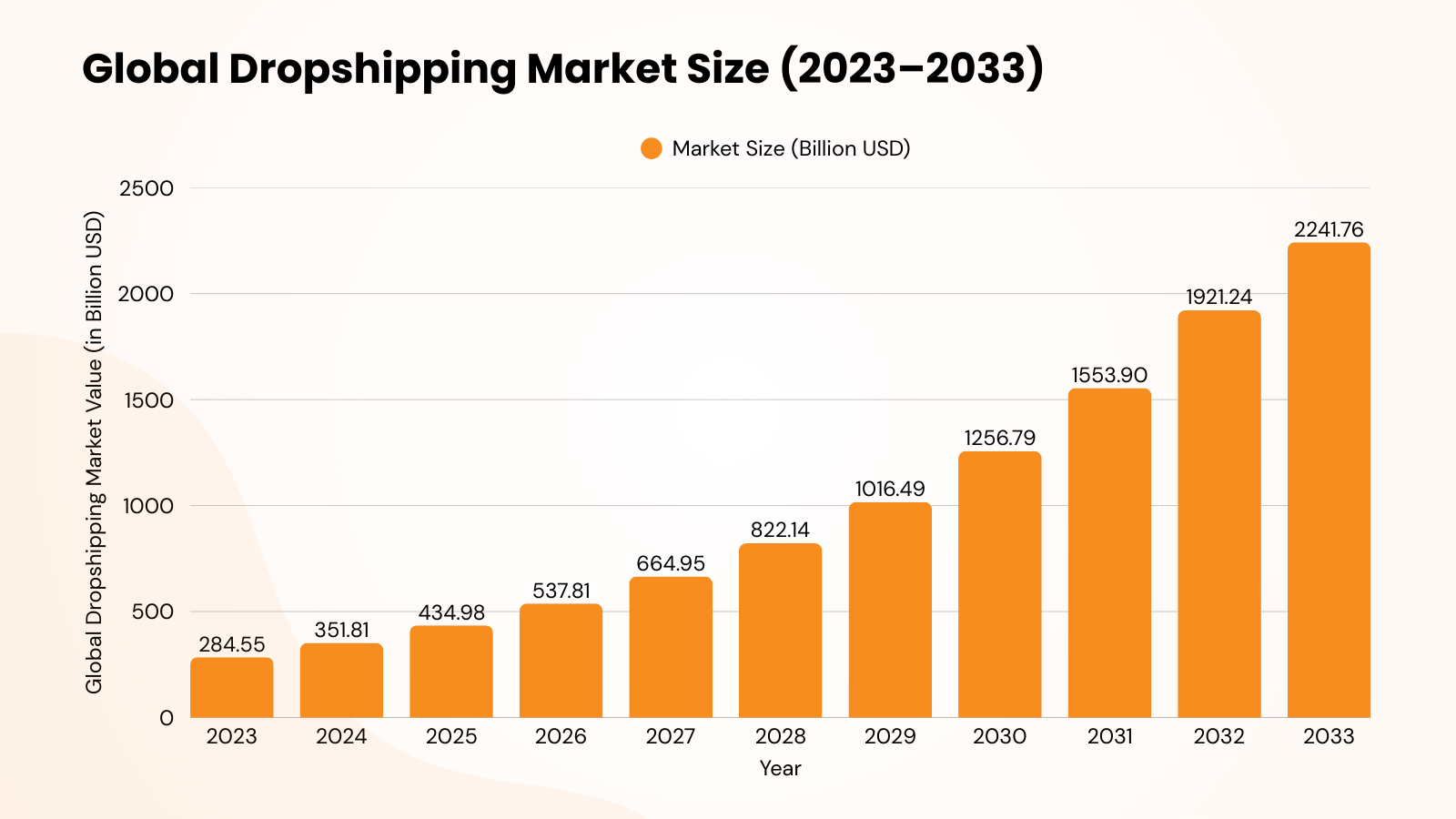
The dropshipping industry is growing rapidly, with strong market indicators pointing toward continued expansion over the next decade.
In 2024, the global dropshipping market is projected to cross the $300 billion mark, reaching approximately $351.8 billion, representing a 23.6% increase compared to 2023. This surge underscores the growing adoption of dropshipping as a preferred e-commerce model worldwide.
Growth is expected to accelerate further in the short term. Research from Precedence Research suggests that the market could reach $435 billion by 2025, followed by an estimated value of $537.8 billion in 2026.
When viewed over three years, this indicates that the industry is on pace to nearly double its size between 2023 and 2026, adding more than $250 billion in market value in a relatively short time.
Long-term projections also reflect strong momentum. By 2029, the global dropshipping market is expected to surpass $1 trillion, and by 2033, it is projected to reach approximately $2.2 trillion.
This forecast suggests that the industry could expand to over six times its 2023 size within ten years, underlining its long-term potential.
Between 2023 and 2032, the dropshipping market is expected to maintain an average annual growth rate of 23.6%. As the market matures, growth may gradually stabilize, with projections indicating a slightly lower but still strong annual growth rate of 16.7% by 2033.
Pros and Cons of the Dropshipping Business
The table below highlights ten major advantages and disadvantages of the dropshipping model. This side-by-side comparison helps you evaluate both the opportunities and limitations of dropshipping, based on practical industry experience and real-world business scenarios.
| Pros | Cons |
| Low initial investment: You can start selling with very little upfront capital. | Thinner profit margins: High competition often limits pricing flexibility. |
| No inventory handling: No need to manage storage or stock levels. | Less control over shipping: Delivery speed depends on external suppliers. |
| Work from anywhere: Operate your store from any location worldwide. | Heavy supplier dependence: Product quality and fulfillment rely on third parties. |
| Large product variety: Easily offer products from multiple categories. | Intense competition: Crowded markets make differentiation harder. |
| Easy business scaling: Add new products without inventory risk. | Inconsistent product quality: Standards may differ between suppliers. |
| No unsold stock risk: Products are purchased only after a confirmed order. | Extended delivery times: International shipping can cause delays. |
| Fast market entry: Quickly launch your store and test products. | Supplier management complexity: Coordinating multiple vendors takes effort. |
| Greater marketing focus: More time and budget for growth strategies. | Customer support difficulties: Returns and refunds can be complicated. |
| Lower operating costs: Fewer expenses compared to traditional retail. | Communication challenges: Language or cultural gaps with suppliers may arise. |
| Reduced financial risk: Test new markets with minimal capital exposure. | Limited branding options: Product customization is often restricted. |
How Does Dropshipping Work?
Dropshipping follows a simple order-fulfilment process where multiple parties work together to deliver products directly to customers without the store owner holding any inventory.
Below is a step-by-step explanation of how dropshipping typically works:
1. Dropshipper Partners With a Supplier: The process starts when the store owner (dropshipper) agrees with a supplier. This agreement defines product pricing, order handling, shipping responsibilities, and return terms, ensuring clarity and smooth collaboration.
2. Customer Places an Order: A customer visits your online store, chooses a product, and completes the checkout by submitting payment and delivery details. This action triggers the fulfilment process.
3. Order is Sent to the Seller: Once the order is placed, the seller receives the order information for review. This step confirms that all details are correct before processing begins.
4. Order Confirmation Is Sent to the Customer: After verification, the customer receives an order confirmation email. This usually includes order details, expected delivery timelines, and tracking updates to maintain transparency.
5. Supplier Prepares the Product: The seller forwards the order to the supplier, who then picks, packs, and prepares the product for shipment while ensuring proper quality and packaging standards.
6. Shipping is Arranged: Once the product is ready, shipping is coordinated through logistics partners. Tracking information is updated so both the dropshipper and customer can monitor delivery progress.
7. Order Is Delivered to the Customer: The product is shipped directly to the customer’s address. Follow-up notifications may be sent, completing the order cycle and finalizing the transaction.
Types of Dropshipping Business
Dropshipping is not a single, fixed business model. There are several variations, each designed to suit different goals, budgets, and target markets. Every type comes with its own advantages and limitations.
Understanding these dropshipping models will help you choose the right approach based on your experience level, risk tolerance, and long-term business plans.
Below are the main types of dropshipping, along with their key benefits and challenges.
1. Traditional Dropshipping
Traditional dropshipping is the most common model, where you partner with suppliers who store products and ship them directly to customers after a sale is made.
Pros:
- Low Initial Investment: You only pay for products after receiving an order, keeping startup costs minimal.
- Large Product Range: Sell multiple products across different niches without managing inventory.
- Location Flexibility: Operate your business from anywhere with an internet connection.
- Easy to Scale: Growth does not require additional storage or inventory handling.
Cons:
- Lower Profit Margins: Higher per-item costs reduce overall margins.
- Limited Quality Control: Product quality and delivery depend entirely on suppliers.
- Shipping Delays: Fulfilment issues may occur due to supplier-side delays or stock shortages.
2. Print-on-Demand (POD) Dropshipping
Print-on-demand dropshipping focuses on customized products like T-shirts, hoodies, mugs, posters, and home décor, which are created only after an order is placed.
Pros:
- Strong Branding Potential: Sell personalized products with your own designs.
- No Inventory Management: Printing, packing, and shipping are handled by the POD provider.
- Global Fulfilment: Many POD services ship worldwide from multiple locations.
Cons:
- Supplier Dependence: Print quality and delivery speed rely on the POD partner.
- Limited Customization Options: Product types and materials may be restricted.
- High Competition: Many sellers use similar base products, increasing market saturation.
- Brand Differentiation Challenges: Unique designs and marketing are required to stand out.
3. Wholesale Dropshipping
Wholesale dropshipping involves sourcing products at bulk prices from wholesalers while selling them individually to customers.
Pros:
- Higher Profit Margins: Lower per-unit costs improve profitability.
- Better Quality Control: Products usually meet consistent quality standards.
- Bulk Discounts: Wholesale pricing allows competitive selling.
- Branding Opportunities: Some suppliers offer branded packaging options.
Cons:
- Higher Startup Requirements: Some wholesalers require minimum order quantities.
- Inventory Tracking: Stock availability must be monitored closely.
- Risk of Unsold Stock: Bulk purchases increase financial risk.
- Potential Shipping Costs: Bulk shipping may be more expensive or slower.
4. AliExpress (International) Dropshipping
This model uses platforms like AliExpress to source products from international suppliers at competitive prices.
Pros:
- Massive Product Variety: Thousands of products across nearly every category.
- Global Market Access: Sell to customers worldwide.
- No Inventory Handling: Suppliers manage storage and fulfilment.
- Affordable Product Pricing: Competitive costs help maintain reasonable margins.
- Platform Integrations: Easily connects with Shopify, WooCommerce, and other tools.
Cons:
- Long Shipping Times: Deliveries can take several weeks.
- Customs and Import Issues: Delays or extra fees may occur.
- High Competition: Many sellers offer identical products.
- Limited Branding Options: Generic packaging reduces brand identity.
5. High-Ticket Dropshipping
High-ticket dropshipping focuses on selling premium, higher-priced products with larger profit margins per sale.
Pros:
- Higher Profit per Order: Fewer sales can still generate strong revenue.
- Lower Competition: High entry barriers reduce market saturation.
- Stronger Brand Perception: Premium pricing increases perceived value.
- Fewer Returns: Customers tend to make more thoughtful purchase decisions.
- Higher Customer Lifetime Value: Repeat purchases can significantly increase revenue.
Cons:
- Higher Advertising Costs: Customer acquisition requires more investment.
- Longer Sales Cycle: Buyers take more time to decide.
- Trust Building Is Critical: Strong branding and credibility are essential.
6. Local / Domestic Dropshipping
Domestic dropshipping sources products from suppliers within your own country.
Pros:
- Faster Delivery Times: Local shipping improves customer satisfaction.
- No Customs Issues: Avoid import duties and delays.
- Better Customer Support: Easier communication and faster issue resolution.
- Higher Trust Levels: Customers often prefer local businesses.
Cons:
- Limited Product Variety: Smaller catalogs compared to global suppliers.
- Higher Product Costs: Local sourcing is often more expensive.
- Scaling Limitations: Supplier capacity may restrict growth.
- Smaller Market Reach: Sales are limited to a specific region.
7. Hybrid Dropshipping
Hybrid dropshipping combines traditional dropshipping with selective inventory stocking for high-demand products.
Pros:
- Faster Shipping for Stocked Items: In-house fulfillment speeds up delivery.
- Greater Inventory Control: Reduces stockouts and supplier delays.
- Fewer Fulfilment Issues: You manage quality and shipping for stocked products.
- Improved Profit Margins: Bulk purchasing lowers unit costs.
Cons:
- Higher Upfront Investment: Requires purchasing inventory.
- Inventory Management Complexity: Stock tracking and forecasting are necessary.
- Storage Costs: Warehousing or fulfillment services add expenses.
- Risk of Unsold Products: Demand changes can lead to excess stock.
Is the Dropshipping Business Profitable?
Yes, dropshipping can be a profitable business model, but the actual results depend on how well it is planned and executed. While it is often promoted as an easy and low-risk way to start an online business, real success requires smart decision-making, consistent effort, and the ability to adapt to changing market conditions.
Profitability in dropshipping is not guaranteed. It depends on factors such as product choices, marketing efficiency, supplier reliability, and how effectively you manage your operations.
Key Factors That Impact Dropshipping Profitability
Several elements play a major role in determining how profitable a dropshipping business can become:
- Profit Margins: Pricing strategy and supplier costs directly affect earnings.
- Product Selection and Niche: Choosing the right niche with demand and manageable competition is critical.
- Marketing and Customer Acquisition Costs: Paid ads and promotions can reduce margins if not optimized.
- Operational Efficiency: Smooth order handling and automation improve scalability.
- Supplier Relationships: Reliable suppliers ensure product quality and timely delivery.
- Customer Retention and Lifetime Value: Repeat customers increase long-term profitability.
- Overhead Expenses: Platform fees, apps, and marketing tools impact net profit.
Dropshipping Profitability Trends for 2026
In 2025, dropshipping continues to show strong growth and promising earning potential for well-structured businesses.
Key Trends Influencing Dropshipping Profitability in 2025
1. Market Growth: The global dropshipping market is projected to grow at a compound annual growth rate (CAGR) of 28.8%, reaching approximately $476.1 billion by 2026, highlighting strong momentum and expansion opportunities.
2. Wider Adoption: Around 27% of online retailers now rely on dropshipping as their main order fulfilment method, showing increased trust and acceptance of this model.
3. Rising Competition: Because dropshipping is easy to start, competition has intensified. To succeed, businesses must focus on specific niches, offer differentiated products, and apply targeted marketing strategies.
4. Profit Margin Reality: Typical dropshipping profit margins range between 15% and 20%. Higher profitability is achievable through better product sourcing, optimized advertising, and strong supplier partnerships.
5. Changing Consumer Preferences: Growing demand for eco-friendly, sustainable, and personalized products is creating new opportunities for dropshippers who align their offerings with these trends.
What Is the Dropshipping Success Rate?
The success rate of dropshipping businesses varies widely and depends on multiple factors, including niche selection, marketing skills, and the ability to adapt to market changes.
There is no fixed definition of “success” in dropshipping. For some, success means a full-time income, while for others it may simply be consistent monthly profits.
Industry insights suggest that approximately 10% to 20% of dropshipping stores achieve long-term success. This means that out of every 100 dropshipping businesses launched on platforms like Shopify, only 10 to 20 manage to become profitable and sustainable.
How to Start a Dropshipping Business: Step-by-Step Guide
Launching a dropshipping business in 2025 can be a great opportunity, but long-term success depends on proper planning and smart execution. Taking a structured approach helps you avoid common mistakes and build a strong foundation from the beginning.
This step-by-step guide walks you through the entire process from planning your business to launching your store so you can start effectively and grow with confidence.
1. Plan Your Business and Define Clear Goals
Before setting up your store, take time to plan your business direction. This stage focuses on building a roadmap and setting goals that guide your decisions.
Using SMART goals (Specific, Measurable, Achievable, Relevant, and Time-bound) helps keep your progress focused and trackable.
Key steps in business planning:
- Define your target audience: Identify who you want to sell to, such as fitness enthusiasts, pet owners, or eco-conscious shoppers.
- Choose a business structure: Decide whether to operate as a sole proprietor, LLC, or another legal setup, as this impacts taxes and liability.
- Set achievable milestones: Break long-term goals into smaller targets like your first 100 sales or initial email subscribers.
- Create a budget plan: Outline expected costs for tools, marketing, and platform fees to manage cash flow efficiently.
2. Choose the Right Niche
Selecting the right niche plays a critical role in your success. A well-defined niche allows you to focus your marketing, build authority, and attract a specific audience.
When choosing a niche, consider the following:
- Demand and competition: Look for consistent demand with manageable competition using tools like Google Trends and marketplace research.
- Personal interest: Selling products you care about makes branding and content creation easier.
- Profit potential: Some niches offer better margins than others.
- Beginner-friendly dropshipping niches include:
- Fitness and wellness: Workout equipment, health accessories, and sustainable fitness products.
- Pet products: Toys, grooming tools, and pet accessories.
- Eco-friendly products: Reusable items, sustainable household products, and zero-waste alternatives.
- Choose a niche that aligns with your interests while offering strong demand and growth potential.
3. Start Dropshipping With a Small Budget
One of the biggest advantages of dropshipping is its low startup cost. With smart choices, you can begin even with limited funds.
Practical ways to reduce startup expenses:
- Select a cost-effective platform: Shopify and WooCommerce offer affordable plans to get started.
- Focus on organic marketing: Use SEO, content marketing, and social media platforms like Instagram, TikTok, and Pinterest.
- Use free design tools: Tools like Canva help create professional visuals without hiring designers.
- Work with no-MOQ suppliers: Platforms like AliExpress allow you to pay for products only after making a sale.
4. Build Your Online Store
Your online store is the center of your dropshipping business. It should be easy to navigate, visually appealing, and optimized for conversions.
Popular eCommerce platforms include:
- Shopify: Beginner-friendly with built-in dropshipping apps and customizable themes.
- WooCommerce: Ideal for WordPress users and offers flexibility with various plugins.
- BigCommerce: Designed for scalability and long-term growth.
- Useful integrations to improve efficiency:
- All-in-One Discount (Shopify): Create multiple discount types to boost sales.
5. Set Up Payment Gateways and Shipping Options
To accept payments securely, configure reliable payment gateways such as PayPal, Stripe, or Shopify Payments based on your target market.
For shipping, clearly communicate delivery times and costs on product pages. Since many suppliers ship internationally, transparency helps manage customer expectations and reduce disputes.
6. Promote Your Dropshipping Store
Marketing drives traffic and sales, making it a critical part of your strategy.
Effective marketing methods include:
- Paid advertising: Use Facebook, Instagram, or Google Ads for quick visibility.
- Search engine optimization (SEO): Optimize product pages and content to rank organically.
- Influencer marketing: Collaborate with niche influencers to reach targeted audiences.
7. Track Performance and Optimize Regularly
After launching your store, continuous improvement is key to growth.
Use tools like Google Analytics and platform analytics dashboards to monitor traffic, conversions, and customer behavior. Regularly refine your product listings, ads, and user experience to improve results and increase profitability.
Sourcing Products and Finding Reliable Suppliers
Product sourcing and supplier selection are two of the most important pillars of a successful dropshipping business. The products you choose and the suppliers you work with directly influence customer satisfaction, profit margins, and the long-term stability of your store.
Making smart decisions at this stage helps you avoid common issues like delivery delays, poor product quality, and customer complaints.
1. How to Find Winning Products for Dropshipping
Choosing the right products is essential for success. A winning product typically has steady demand, reasonable competition, and enough margin to generate profit.
The goal is to find products people actively want, without entering markets that are already overcrowded.
Steps to identify high-potential products:
- Market research: Use tools such as Google Trends, AliExpress, and Amazon Best Sellers to spot trending items and rising demand.
- Social media insights: Observe what influencers are promoting on platforms like Instagram, TikTok, and YouTube. Viral content often highlights products with strong market interest.
- Competitor analysis: Study successful dropshipping stores in your niche to see which products perform well and identify gaps you can fill.
- Customer reviews: Products with consistent positive feedback usually indicate proven demand and satisfaction.
- Product testing: Start by testing a small number of products before scaling. This approach reduces risk and validates real customer interest.
2. Choosing the Best Dropshipping Suppliers
After selecting your products, the next step is finding dependable suppliers. Since suppliers handle fulfillment and shipping, their performance directly impacts your brand reputation.
Key qualities of a reliable dropshipping supplier:
- Consistent reliability: Look for suppliers known for timely order processing and stable product quality.
- Clear communication: A trustworthy supplier responds quickly and provides regular updates on orders and shipments.
- Reasonable shipping times: Faster delivery improves customer satisfaction, especially when suppliers are based in regions with efficient logistics.
- Product quality standards: Ordering samples allows you to review quality, packaging, and presentation before selling.
- Competitive pricing: Compare multiple suppliers to find a balance between cost, quality, and profit margins.
- Automation support: Select suppliers that integrate seamlessly with platforms like Shopify, WooCommerce, or BigCommerce to streamline order processing.
3. How to Avoid Dropshipping Scams and Unreliable Suppliers
While dropshipping offers many opportunities, it also attracts fake or unreliable suppliers. Identifying warning signs early can protect your business from losses and customer dissatisfaction.
Common red flags to watch for:
- Extremely low pricing: Prices far below market rates may indicate poor quality or fraudulent practices.
- Missing or negative reviews: A lack of reviews or consistently bad feedback is a strong warning sign.
- Unclear contact details: Reliable suppliers provide transparent contact information and customer support channels.
- No business history: Established suppliers usually have a visible track record and existing client base.
- Unverified websites: Always check for secure payment options, clear policies, and a professional website structure.
4. Exploring Profitable Niche Opportunities
Selecting the right niche is a crucial part of product sourcing. A focused niche helps you stand out, build trust, and attract a loyal customer base.
Popular and profitable dropshipping niche ideas include:
- Eco-friendly products: Sustainable items like reusable bottles, biodegradable cleaners, and eco-friendly bags continue to gain popularity.
- Pet-related products: Pet accessories, grooming tools, and speciality items remain in high demand.
- Home fitness equipment: Products such as yoga mats, resistance bands, and compact workout gear perform well.
- Personalized products: Custom jewellery, engraved gifts, and personalized home décor appeal to buyers seeking unique items.
Best Practices for Success in Dropshipping
Building a profitable dropshipping business goes beyond choosing the right products. Long-term success depends on customer satisfaction, strong partnerships, smart marketing, and continuous optimization.
Below are proven best practices that can help you grow and sustain your dropshipping business.
1. Prioritize Customer Experience
Outstanding customer experience should always come first. Since you don’t manage the products directly, clear and professional communication is essential.
Keep customers updated through email notifications about order confirmations, shipping status, and special offers. Offering simple return and exchange policies also helps build trust and credibility for your brand.
2. Develop Strong Supplier Relationships
Suppliers play a critical role in your business operations. Building long-term partnerships with reliable suppliers improves order accuracy, delivery speed, and product quality.
Maintain regular communication with your suppliers and review their performance consistently. This helps prevent common issues such as shipping delays, inventory shortages, or quality concerns.
3. Invest in Marketing and Brand Building
In a competitive market, branding is what sets your store apart. A strong brand identity including a professional logo, high-quality product images, and a user-friendly website creates a positive and lasting impression.
Create a balanced marketing strategy that includes paid advertising, content marketing, social media activity, and influencer collaborations. Encourage satisfied customers to leave reviews and share feedback, as social proof plays a major role in building trust.
4. Optimize for Higher Conversions
Driving traffic is only half the job; converting visitors into customers is where growth happens.
Use conversion rate optimization (CRO) techniques such as A/B testing, improving product descriptions, simplifying checkout steps, and offering compelling promotions. Tools like Hotjar or OptinMonster can help analyze user behavior and identify areas that need improvement.
5. Stay Compliant with Legal and Tax Regulations
As your business scales, staying compliant with local laws and regulations becomes increasingly important. This includes managing sales taxes, understanding import or export duties, and clearly outlining return and refund policies.
Consulting with a legal advisor or accountant can help ensure your business meets all legal requirements and avoids potential issues.
6. Measure Performance and Adapt Regularly
Consistently tracking performance metrics helps you understand what’s working and what needs improvement. Monitor key data such as traffic sources, conversion rates, and profit margins.
Use tools like Google Analytics, platform analytics dashboards, or email marketing insights to guide your decisions. Staying flexible and adapting to market changes, customer feedback, and competitor strategies is essential for long-term success in dropshipping.
Dropshipping Tools and Apps You Need to Succeed
Running a profitable dropshipping business isn’t just about choosing the right products or suppliers; it also depends heavily on using the right tools and apps to manage operations efficiently.
From product sourcing and store management to marketing, customer support, and order fulfilment, dropshipping tools help automate repetitive tasks, improve decision-making, and scale your business faster. Below are some of the most essential dropshipping tools and Shopify apps you can integrate to streamline your workflow and boost performance.
1. Spocket – US & EU-Based Dropshipping Suppliers
What it does:
Spocket connects dropshippers with high-quality suppliers based in the US and Europe, helping reduce long shipping times and improve customer satisfaction.
Why it’s useful:
With access to premium products and faster delivery options, Spocket helps you stand out from competitors who rely solely on overseas suppliers. Features like branded invoicing also help build trust and brand credibility.
Key Features:
- Access to US and EU suppliers
- Branded invoicing
- Shopify and WooCommerce integration
- Real-time order tracking
2. Shopify – The All-in-One eCommerce Platform
What it does:
Shopify is one of the most widely used eCommerce platforms for dropshipping. It allows you to create, customize, and manage an online store without technical complexity.
Why it’s useful:
Shopify simplifies product management, payments, shipping, and order tracking in one dashboard. Its app ecosystem makes it easy to integrate dropshipping, marketing, and automation tools.
Key Features:
- Beginner-friendly website builder
- Secure payment gateway integrations
- 24/7 customer support
- Large marketplace of dropshipping apps
👉 If you want experts to handle your store setup, you can hire a Shopify expert team for your dropshipping business.
3. Ctx: WhatsApp Chat + Marketing
What it does:
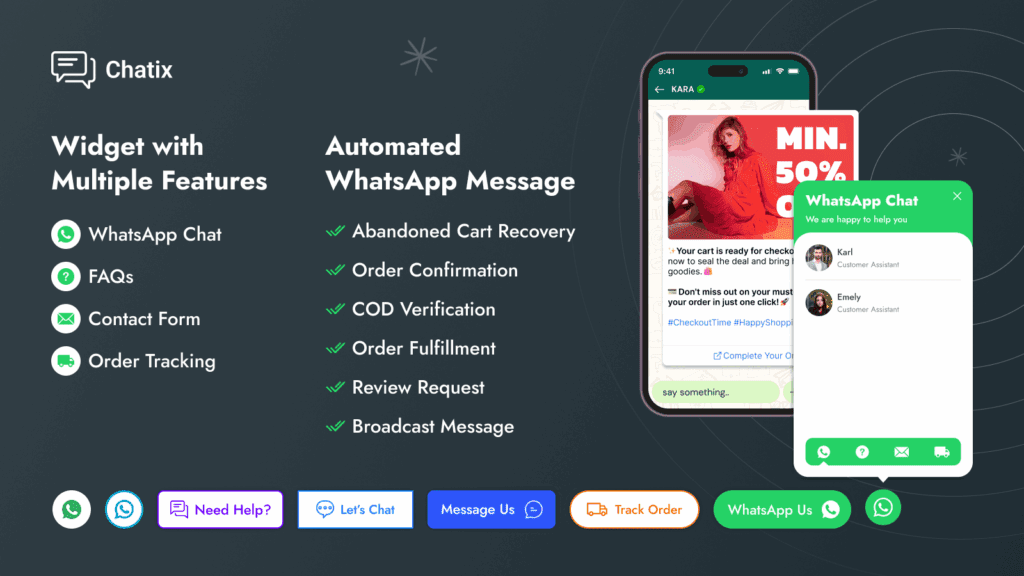
Ctx adds a powerful WhatsApp communication widget to your Shopify store, enabling live chat, order confirmations, abandoned cart recovery, COD verification, and marketing broadcasts all in one tool.
Why it’s useful:
WhatsApp is one of the fastest ways to connect with customers. Ctx helps reduce abandoned carts, increase order confirmations, and improve customer trust through instant communication.
Key Features:
- All-in-one WhatsApp widget (chat, FAQs, order tracking)
- Automated abandoned cart recovery
- COD and order confirmation automation
- WhatsApp API for bulk campaigns
- Shared inbox for team support
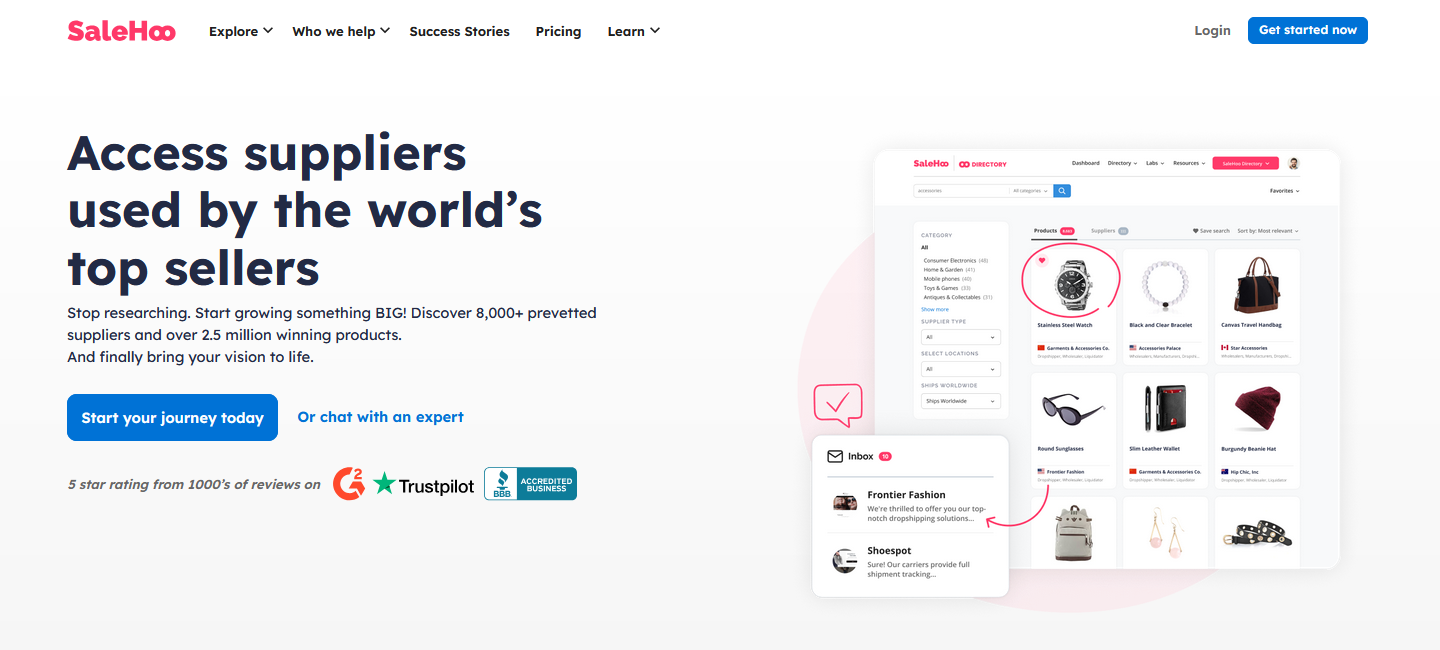
4. SaleHoo – Product Research & Supplier Directory
What it does:
SaleHoo provides access to a large directory of verified dropshipping suppliers along with built-in product research tools.
Why it’s useful:
It helps reduce the risk of scams by connecting you with trustworthy suppliers while offering market insights to identify profitable products and niches.
Key Features:
- 8,000+ verified suppliers
- Product and niche research tools
- Educational resources for beginners
- Dedicated customer support
5. AfterShip – Order Tracking & Notifications
What it does:
AfterShip enables real-time order tracking and delivery notifications across multiple carriers and eCommerce platforms.
Why it’s useful:
Transparent shipping updates improve customer experience and significantly reduce “Where is my order?” support queries.
Key Features:
- Real-time shipment tracking
- Automated email notifications
- Multi-carrier support
- Custom-branded tracking pages
6. Klaviyo – Email Marketing Automation
What it does:
Klaviyo is an advanced email and SMS marketing platform designed for eCommerce businesses, offering automation and personalized campaigns.
Why it’s useful:
Email marketing is crucial for increasing repeat purchases. Klaviyo’s segmentation and automation features help you send targeted messages that convert and retain customers.
Key Features:
- Automated email flows
- Advanced customer segmentation
- Detailed analytics and reporting
- Shopify and WooCommerce integration
7. Tidio – Live Chat & Customer Support
What it does:
Tidio allows you to provide real-time customer support through live chat and chatbots directly on your online store.
Why it’s useful:
Fast responses build trust and improve conversions. Tidio helps resolve customer concerns quickly, even when suppliers are overseas.
Key Features:
- Live chat and AI chatbots
- Multi-channel support (Messenger, WhatsApp)
- Real-time notifications
- Easy Shopify integration
👉 If you’re using Shopify, explore the top live chat apps for Shopify in 2025.
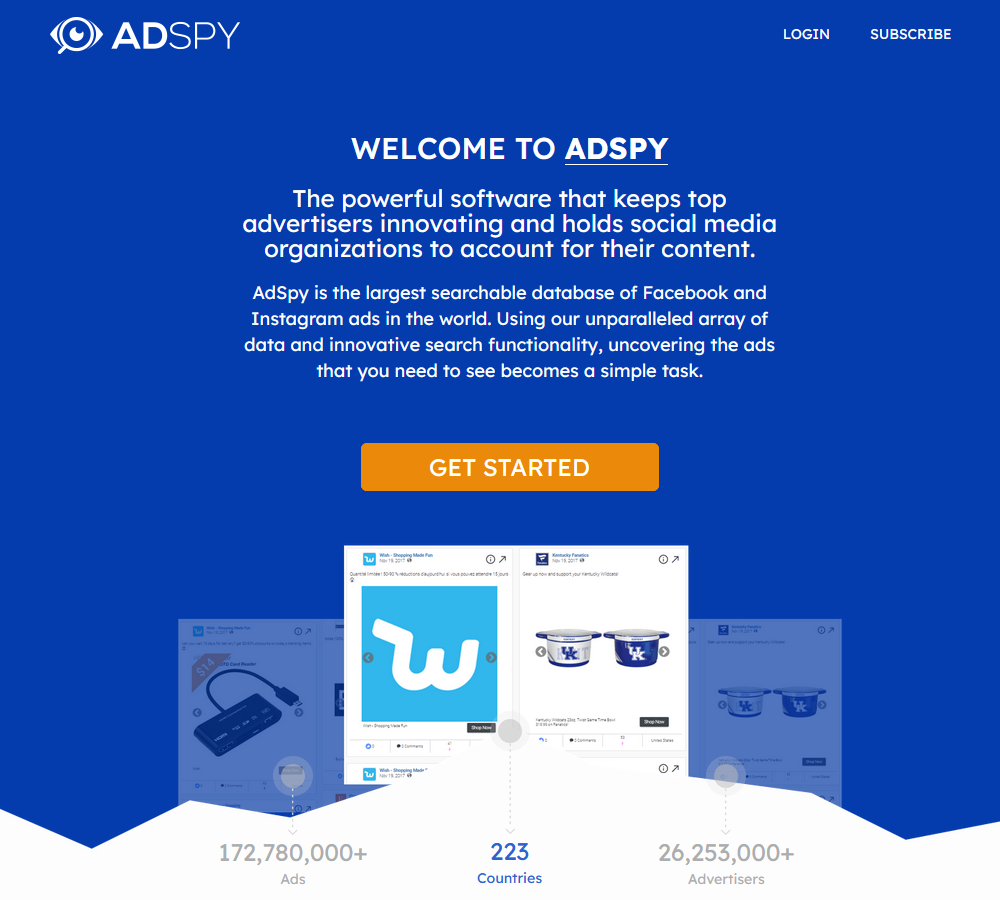
8. AdSpy – Facebook Ads Research Tool
What it does:
AdSpy lets you analyze competitors’ Facebook ads to discover trending products and winning ad creatives.
Why it’s useful:
By studying successful ads in your niche, you can refine your own marketing strategy and avoid costly trial-and-error campaigns.
Key Features:
- Massive Facebook ad database
- Advanced search and filtering options
- Competitor ad analysis
- Performance insights
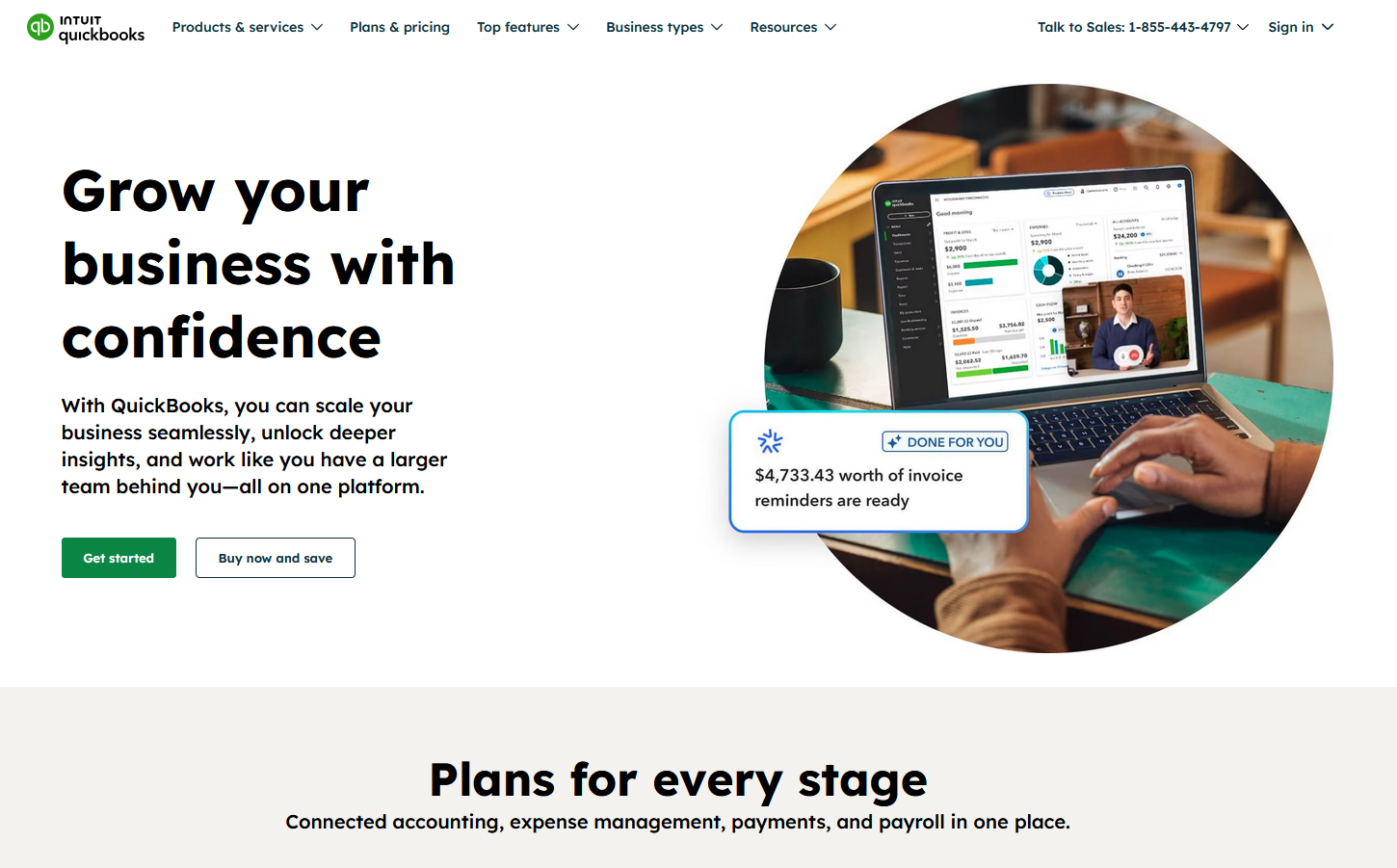
9. QuickBooks – Accounting & Bookkeeping
What it does:
QuickBooks helps manage finances by tracking sales, expenses, taxes, and profit margins.
Why it’s useful:
Accurate bookkeeping is essential for scaling a dropshipping business. QuickBooks keeps your financial data organized and tax-ready.
Key Features:
- Automated tax calculations
- Profit and loss reporting
- Invoice and expense tracking
- Shopify and PayPal integration
10. Canva – Graphic Design for Marketing
What it does:
Canva is a beginner-friendly design tool for creating marketing visuals, product images, ads, and social media content.
Why it’s useful:
You don’t need design skills to create professional graphics. Canva’s templates and drag-and-drop interface make branding easy and affordable.
Key Features:
- Ready-made marketing templates
- Drag-and-drop editor
- Stock images and design elements
- Team collaboration options
Conclusion
Dropshipping is an eCommerce fulfillment model that allows you to sell products online without holding or managing inventory. Instead, suppliers take care of storage, packaging, and shipping, enabling you to focus on branding, marketing, and customer acquisition.
This business model offers a low barrier to entry, minimal upfront investment, location independence, and strong scalability making it an attractive option for new and aspiring entrepreneurs. However, it also comes with challenges such as thinner profit margins, heavy dependence on suppliers for product quality and delivery, and growing market competition.
Successfully starting a dropshipping business requires a structured approach. Choosing the right niche, partnering with reliable suppliers, and building your store on platforms like Shopify or WooCommerce form the foundation. Equally important are setting up secure payment gateways, defining shipping expectations, and executing an effective marketing strategy to attract and convert customers.


Manish Khilwani 

Co-Founder at BrainStream Technolabs, he focuses on building people-first, scalable eCommerce and digital products that help brands grow with clarity and innovation.
Share :


Related Blog
eCommerce Development
Shopware vs Shopify vs Adobe Commerce in 2026: Which One Should You Choose?
Shopware vs Shopify vs Adobe Commerce - Choosing the right eCommerce platform in 2026 is no longer just a technical decision; it’s a strategic growth decision. Whether you're a founder scaling a D2C brand, a CTO planning international expansion, or...
eCommerce Development
Top 5 Proven Seasonal Discount Tactics to Boost Your eCommerce Sales
Every eCommerce brand looks forward to seasonal spikes in sales. However, reducing prices simply because competitors are doing the same can quickly lead to a pricing war, where margins shrink and no one truly benefits. Seasonal discount pricing, when planned...

eCommerce Development
B2B Magento to OroCommerce Migration
The transition from Magento to OroCommerce represents a strategic shift that delivers measurable improvements in operational efficiency, system scalability, and overall cost management for B2B organisations. Our migration practice has evolved over several years, with each project revealing new insights...


Keep up-to-date with our newsletter.
Sign up for our newsletter to receive weekly updates and news directly to your inbox.