Shopware Community Day 2026: The Ultimate Global Event for the Shopware Ecosystem

Shopware Community Day 2026 (SCD 2026) is more than just an ecommerce conference; it is the most important annual event for the global Shopware community. From extension partners to merchants and technology innovators, SCD 2026 brings together everyone building, scaling, and innovating with Shopware 6.

As a Shopware 6 development agency and official Shopware Extension Partner, Brainstream Technolabs views SCD 2026 as a powerful growth platform where ideas turn into partnerships and collaboration drives the future of ecommerce.

Shopware Gateways: A Flexible Way to Extend Shopware

A Shopware gateway acts as a dedicated communication layer between a Shopware store and external App servers.

Each gateway is designed for a specific integration area, such as checkout processes, customer context handling, or in-app purchases, while relying on a shared execution model. This model is based on a synchronous request sent to the App server, followed by immediate response handling directly inside Shopware.

So, where do gateways come into play?

There are two primary ways to extend a Shopware store:

  • Plugins
  • Apps

One of the key advantages of the App system, besides being fully compatible with all Shopware cloud environments, is how it handles business logic. The complete logic lives on your own server, fully separated from the shop’s core codebase.

This separation allows you to update your App independently of the shop itself. Even during major Shopware upgrades, Apps usually remain unaffected or require only minimal adjustments.

The challenge with traditional App execution

A known limitation of the App system is its asynchronous nature.

Shopware defines multiple internal events, such as customer login or order cancellation. Apps can subscribe to these events using webhooks, which call endpoints on your App server whenever such events occur.

However, this mechanism only informs you that something has happened and provides related data. You can react using APIs, but you cannot directly influence or modify Shopware’s processing logic during the event itself.

Technically, App Scripts already allow some synchronous behavior, but they place logic back into the shop’s codebase, something many developers wanted to avoid.

Based on extensive community feedback, Shopware introduced a solution that enables synchronous logic execution while keeping all logic on the App server.

This enhancement to the App system is called Shopware gateways.

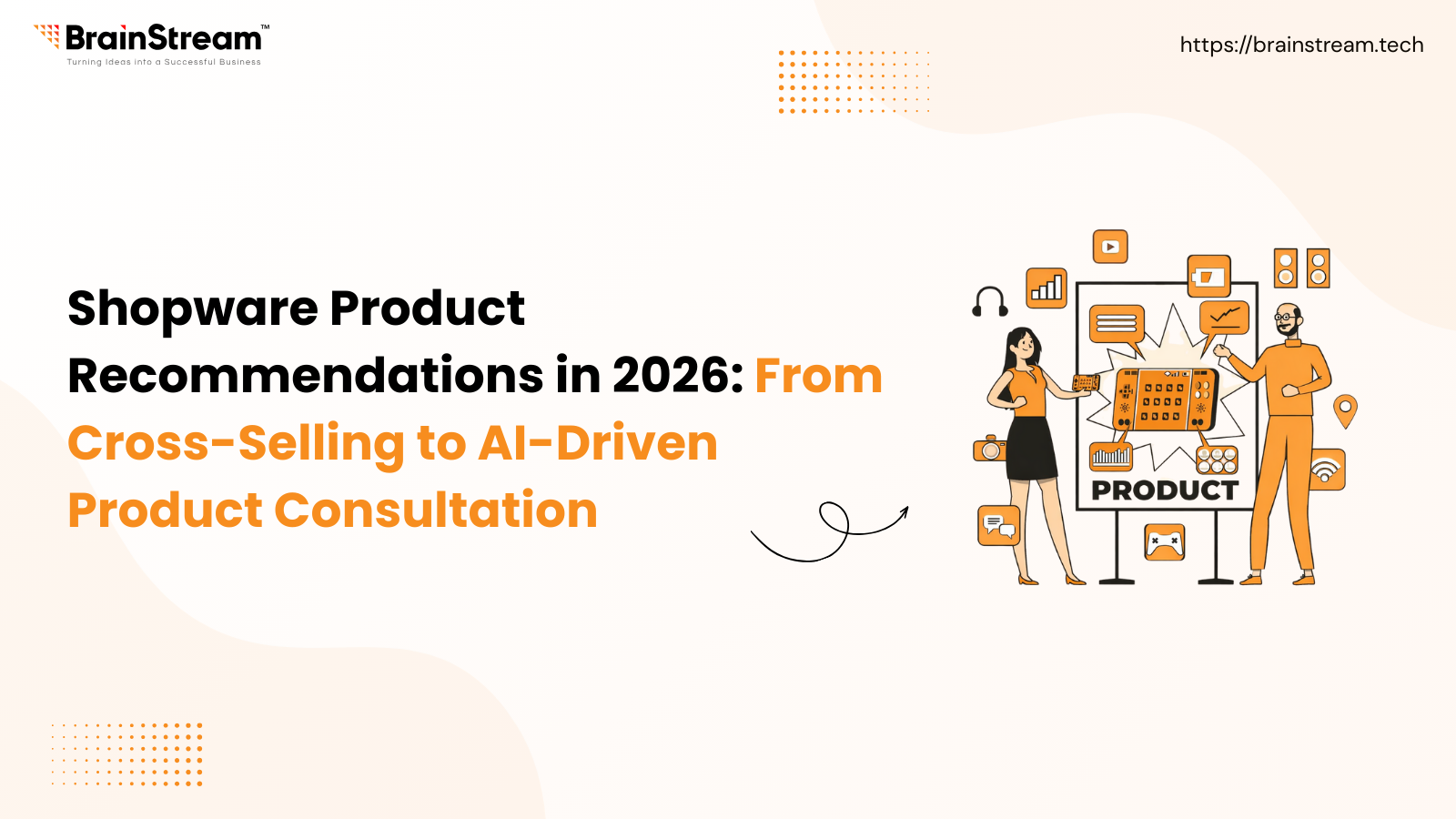
Shopware Product Recommendations in 2026: From Cross-Selling to AI-Driven Product Consultation

In 2026, simple product sliders and static cross-sell recommendations aren’t enough. Today’s customers expect personalized guidance, and AI-based product consultation turns your Shopware store into a real advisor, driving higher conversions and better customer satisfaction.

  • Standard Shopware cross-selling shows products, but not why they matter to each shopper
  • Most users now ignore static recommendation banners
  • AI consultation asks questions and tailors suggestions based on real intent
  • Strategically placing recommendations across your funnel boosts results
  • The shift from “customers also bought” to “how can I help you?” is a core edge in 2026 e-commerce

Why Shopware Certification Is Needed & Why You Should Hire a Certified Shopware Developer

As eCommerce continues to evolve, businesses need robust, scalable, and flexible platforms to stay competitive. Shopware has emerged as one of the leading eCommerce solutions, especially for businesses looking for customization, performance, and innovation.

However, simply choosing Shopware is not enough. To unlock its full potential, Shopware certification and certified developers play a crucial role.

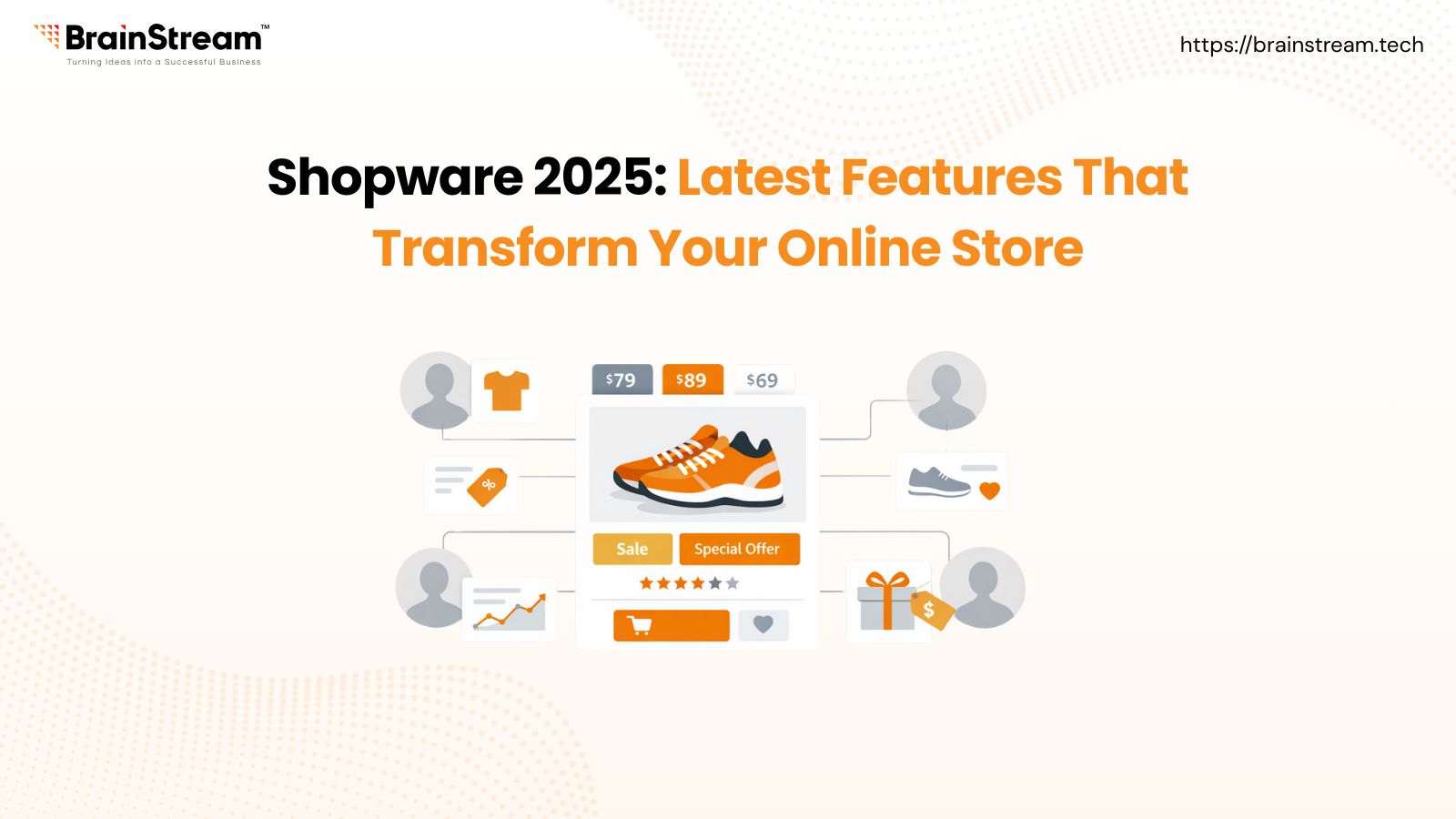
Shopware 2025: Latest Features That Transform Your Online Store

The eCommerce landscape evolves constantly, and platforms must adapt to stay ahead. Shopware 2025 brings a host of innovative features that empower merchants, developers, and enterprises to build smarter, more efficient online stores. Whether you are a B2C retailer, a B2B wholesaler, or running a hybrid model, these updates help streamline operations, improve customer engagement, and drive growth.

Why the Future of E-Commerce Is Hyper-Personalized and How Shopware Makes It Scalable

E-commerce has entered a new phase. Customers no longer compare your store only with competitors; they compare it with the best experience they’ve had anywhere online.

Showing the same homepage, the same offers, and the same product suggestions to every visitor is no longer effective.

This is why hyper-personalization is shaping the future of e-commerce.

Hyper-personalization means designing an online store that adapts in real time, based on who the customer is, how they behave, and what they are likely to do next.

Shopware 6 is built for this shift. Its flexible architecture, automation tools, and AI-ready ecosystem make hyper-personalization not only possible but scalable.

How Shopware Business Central ERP Integration Streamlines eCommerce Operations?

In today’s fast-paced eCommerce landscape, managing an online store requires more than a storefront and products. Growing businesses need efficient backend systems to handle inventory, orders, customers, finance, and reporting, all without manual work or data silos. This is where integrating an ERP system with your eCommerce platform becomes essential.

One of the most powerful combinations available today is Shopware, a leading eCommerce platform, and Microsoft Dynamics 365 Business Central, a comprehensive Enterprise Resource Planning (ERP) solution. When these two systems work together, your eCommerce operations become faster, cleaner, and far more efficient.

In this blog, we’ll break down how Shopware Business Central ERP integration streamlines eCommerce operations from data sync to operational efficiency, customer experience, and overall scalability.

What Is Dynamic Pricing in Shopware and Why It Matters for Your Store

In today’s competitive eCommerce world, pricing isn’t just a fixed number you slap onto a product; it’s a strategic tool that can help you boost sales, improve margins, and win loyal customers. That’s where dynamic pricing comes in.

Dynamic pricing lets your Shopware store automatically adjust prices based on predefined conditions, such as customer behaviour, demand, order size, geography, and promotional events. Think of it the same way airlines do: Ticket prices change based on how many people are searching, how close the flight is, and other variables. Online stores can do the same, but with more control and strategic intent.

In this blog, we’ll explain what dynamic pricing in Shopware is, how it works, and exactly why it matters for your store’s growth.

Shopify vs Shopware: Which E-Commerce Platform Is Best for Your Business?

Choosing the right e-commerce platform is one of the most important decisions for any online business. With rapid digital transformation and fierce competition, the choice between Shopify and Shopware can define your growth, scalability, and long-term success. Both platforms enable you to build powerful online stores, but they differ fundamentally in philosophy, features, flexibility, and cost. This guide compares Shopify and Shopware based on real capabilities, current platform data, and user feedback to help you make an informed choice.

Scaling the Peaks: Why Shopware is the Global Powerhouse for Festival Seasons

Festival seasons are the highest revenue peaks in global e-commerce. From Christmas and New Year sales worldwide, Black Friday and Cyber Monday, Diwali, Eid, Chinese New Year, to regional cultural celebrations, these moments drive massive traffic, emotional buying, and time-sensitive purchasing decisions.

As Christmas remains the largest global shopping festival, brands must be prepared to scale quickly, localize effectively, and deliver seamless digital experiences. To achieve this, businesses need a platform that is scalable, secure, SEO-friendly, and globally adaptable.

Shopware stands out as a global eCommerce powerhouse for festival seasons, empowering brands in Germany, across Europe, and worldwide to turn seasonal traffic spikes into long-term growth.