Top Shopify Popup Apps to Increase Conversions Without Driving Customers Away

Popups often get a bad reputation. Many store owners believe popups annoy visitors and push them away, but the truth is, well-timed and well-designed Shopify popups can significantly increase conversions without hurting user experience.

The key is choosing the right popup app and using it strategically.

In this blog, we’ll explore the best Shopify popup apps, how they work, and how you can use them to capture leads, reduce cart abandonment, and boost sales all without frustrating your customers.

How to Integrate Google Tag Manager with Shopify – 2026 Tutorial

Accurate tracking is no longer optional for modern eCommerce stores. As marketing channels grow and customer journeys become more complex, managing multiple tracking scripts manually can quickly turn into a technical headache.

Google Tag Manager (GTM) solves this problem by allowing Shopify store owners to control all tracking codes from a single dashboard—without constantly editing theme files or relying on developers.

For Shopify merchants, GTM simplifies analytics, advertising, and performance tracking while reducing technical barriers. Even non-technical store owners can manage advanced tracking setups with confidence.

When implemented correctly, Google Tag Manager provides clear visibility into user behavior, purchase journeys, and campaign performance—helping businesses make smarter, data-driven decisions.


Top 7 Creative Ways to Reward Your Shopify Customers and Boost Loyalty

As a Shopify store owner, one of the most powerful strategies to boost customer loyalty and repeat sales is by rewarding your shoppers in meaningful and creative ways.

Keeping customers engaged and satisfied is vital for long-term success, but how can you consistently encourage them to return and make repeat purchases?

If retaining customers or increasing loyalty feels like a challenge, it may be time to rethink your rewards strategy.

Providing thoughtful incentives not only increases customer lifetime value but also encourages referrals and drives more sales overall.

In this guide, you’ll discover:

  • How to design a customer loyalty program that motivates repeat purchases.
  • Creative ways to reward your most dedicated customers.
  • How Shopify apps can simplify and automate your rewards system.
  • Examples of successful reward programs from top Shopify brands.
  • How gamification and referral strategies can increase engagement.

By the end, you’ll have actionable strategies to improve loyalty and grow your Shopify store using smarter reward methods.

Key Takeaways:

  • Reward All Customer Actions: Incentivize more than purchases recognize reviews, social follows, and referrals to boost engagement.
  • Celebrate Milestones: Recognize birthdays, anniversaries, or purchase milestones to strengthen emotional connections.
  • Tiered Loyalty Programs: Introduce escalating rewards to motivate customers for continued engagement.
  • Cashback vs. Coupons: Cashback feels more rewarding and encourages repeat shopping.
  • Personalized Rewards: Tailor incentives based on behavior and preferences for a more meaningful experience.
  • Referral Rewards: Reward both referrers and their friends to expand word-of-mouth growth.
  • Visible Rewards: Ensure your loyalty program is easily seen across your site to maximize participation.
  • Start Simple, Expand Later: Begin with a basic system and scale as your store grows.
  • Focus on Retention: Loyalty programs reduce acquisition costs and increase lifetime value.
  • Future-Proof Your Store: Rewarding customers builds lasting relationships in a competitive market.

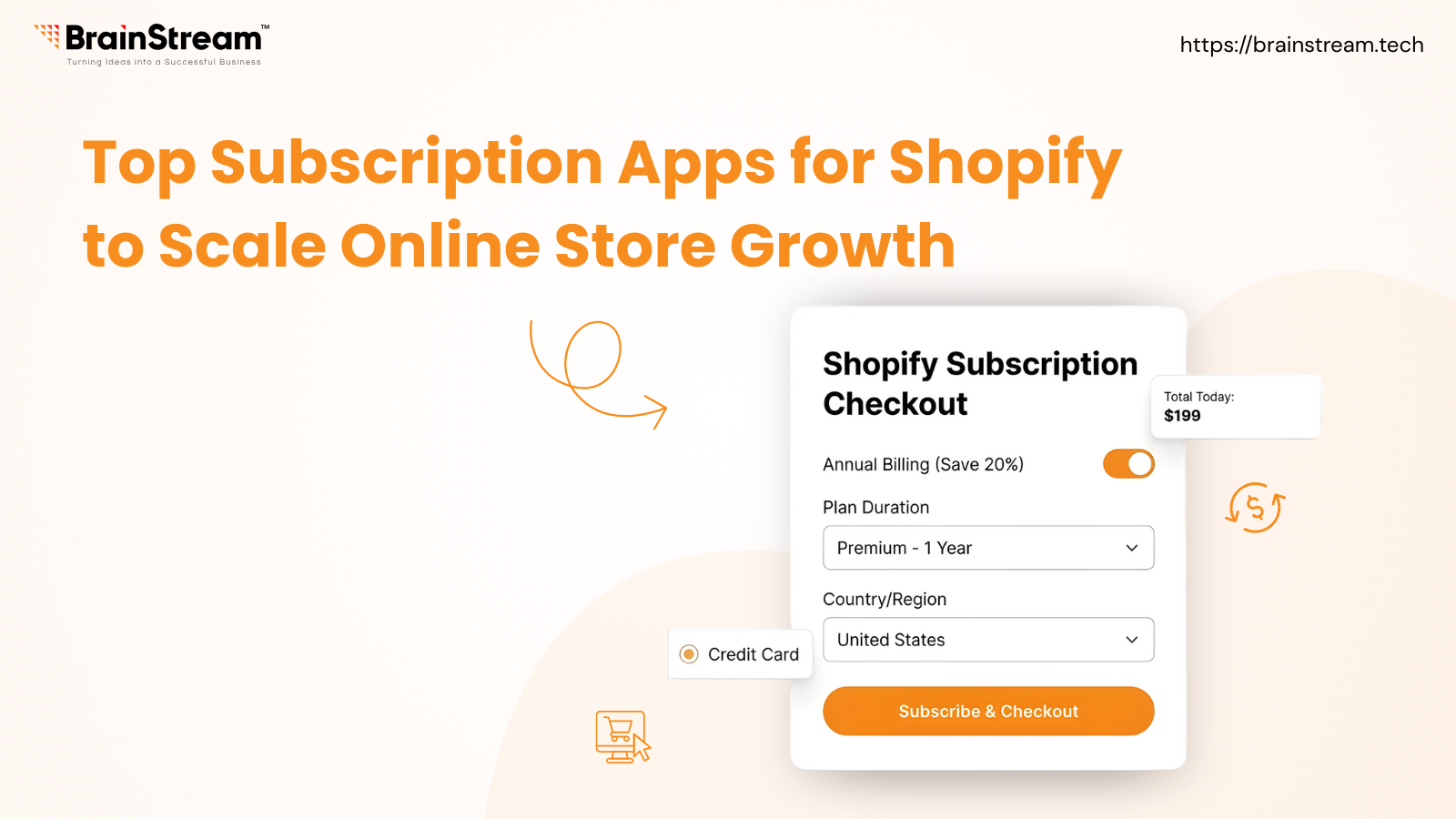
Top Subscription Apps for Shopify to Scale Online Store Growth

Subscription apps have become a powerful growth tool for Shopify store owners who want predictable income, stronger customer loyalty, and lower churn rates.

However, with so many subscription apps available on the Shopify App Store, picking the right one can be confusing. Many merchants struggle with poor integrations, complex setups, and expensive pricing plans.

A Shopify subscription app allows you to automate recurring payments, manage subscribers efficiently, and offer customers a smooth, hassle-free buying experience. With the right solution, one-time buyers can be converted into long-term subscribers who consistently generate revenue for your store.

In this complete guide, you’ll learn:

  • What a Shopify subscription app is and why it’s important
  • Essential features to look for in a subscription app
  • A detailed review of the top 6 Shopify subscription apps
  • How to select the best app based on your business needs
  • Practical tips to improve customer retention with subscriptions

Choosing the right subscription app isn’t just about adding recurring sales—it’s about building a scalable and sustainable business model.

Let’s get started.

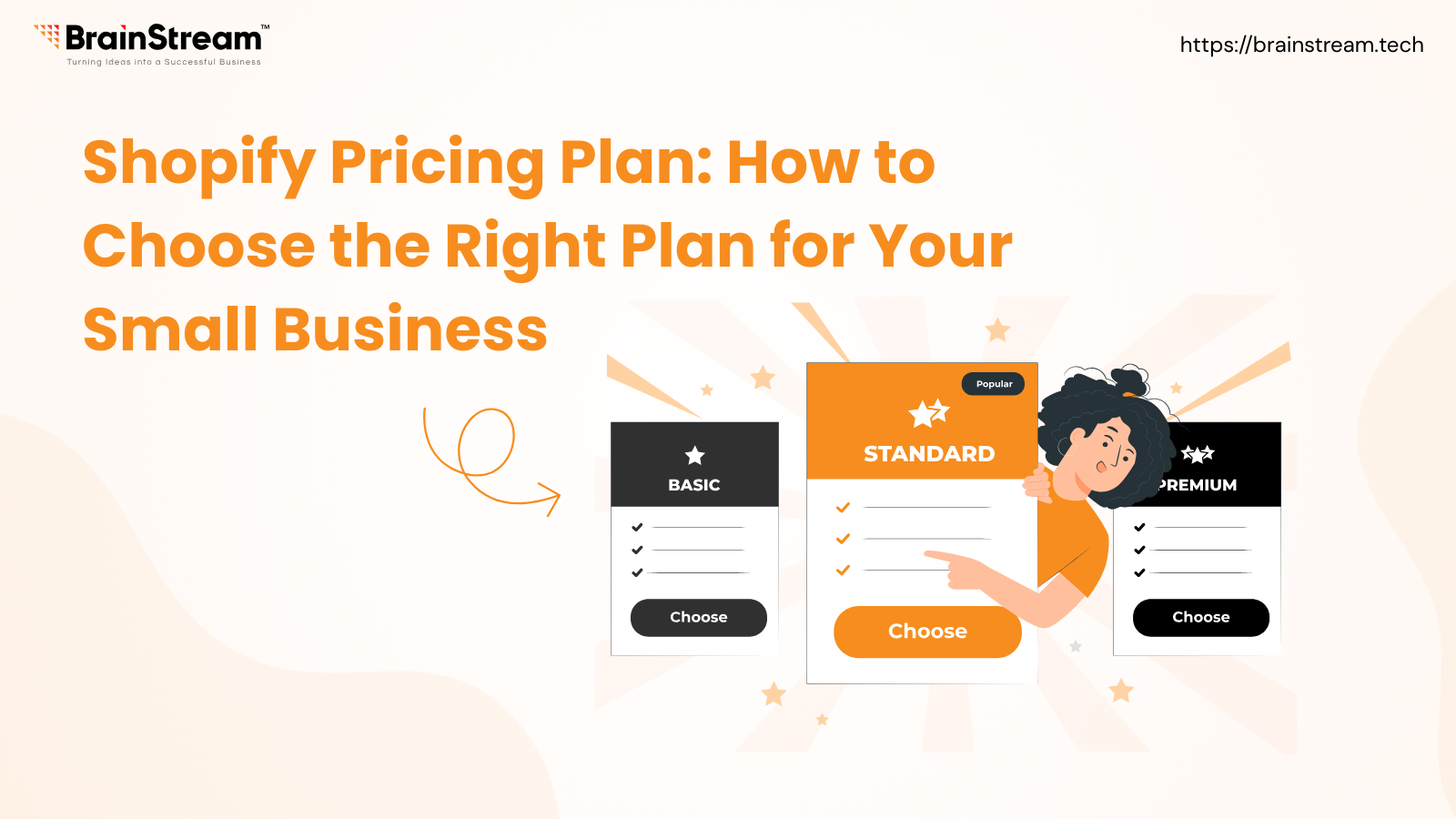
Shopify Pricing Plan: How to Choose the Right Plan for Your Small Business

For many small business owners and aspiring entrepreneurs, figuring out Shopify’s pricing plans can feel overwhelming. With monthly subscription fees, payment processing charges, and optional app costs, it’s easy for unexpected expenses to creep in and affect your profit margins.

Selecting the correct Shopify plan, one that aligns with your store size, sales activity, and future growth, can be the deciding factor between a smoothly scaling business and unnecessary expenses.

Shopify’s pricing model includes various subscription tiers and additional fees that support businesses in building, running, and expanding their ecommerce stores. Choosing the right plan ensures you get the tools and support you need while staying within your budget.

In this guide, you’ll find everything you need to know about Shopify Pricing, including:

  • What Shopify pricing is and why it’s important
  • A simplified breakdown of all Shopify plans
  • Tips on selecting the ideal Shopify pricing plan
  • Answers to common concerns about Shopify’s pricing structure

Whether you’re starting a brand-new business or preparing to scale, this guide will help you understand Shopify’s pricing clearly and choose the best plan for your store’s success.

Let’s get started and make sense of Shopify pricing once and for all.

Key Takeaways

  • Starter Plan begins at $5/month, great for selling via social media and messaging apps.
  • Basic Plan costs $29/month billed annually, and includes full store features like themes, a blog, and 24/7 support.
  • Grow Plan (formerly “Shopify”) is $79/month billed annually, offering standard reporting, multi-market selling, and up to 5 staff accounts.
  • Advanced Plan is $299/month billed annually, featuring advanced reporting, 15 staff accounts, and third-party calculated shipping rates.
  • Shopify Plus starts at $2,300/month, designed for enterprise-level brands needing advanced customization.
  • Transaction fees vary widely from 5% on Starter to 0.6% on Advanced (when not using Shopify Payments).
  • Annual plans provide up to 25% savings, though require an upfront payment.
  • Extra expenses like premium themes, apps, and domains may increase your overall cost.
  • Begin with a lower plan, test free apps/themes, and upgrade as your business grows to access better tools and reduced processing fees.


How to Build a Branded Shopify Store: A Complete Step-by-Step Guide for 2026

Are you launching a new Shopify store or rebranding an existing one?

In today’s competitive eCommerce landscape, simply having products and a checkout isn’t enough. Your Shopify store needs a strong brand identity that resonates with customers, builds trust, and drives repeat purchases.

Creating a Shopify store is simple, but building a branded Shopify store that customers trust, remember, and choose repeatedly requires a clear strategy and thoughtful execution. In a market where thousands of new stores launch every day, branding is the only long-term differentiator.

This comprehensive guide will walk you through every essential element involved in building a strong, cohesive, and memorable Shopify brand. Whether you’re launching a new store or rebranding an existing one, the steps below will help you structure your brand the right way.

Need help with your Shopify store? Brainstream Technolabs specializes in Shopify store development and branding. Contact us for a free consultation →

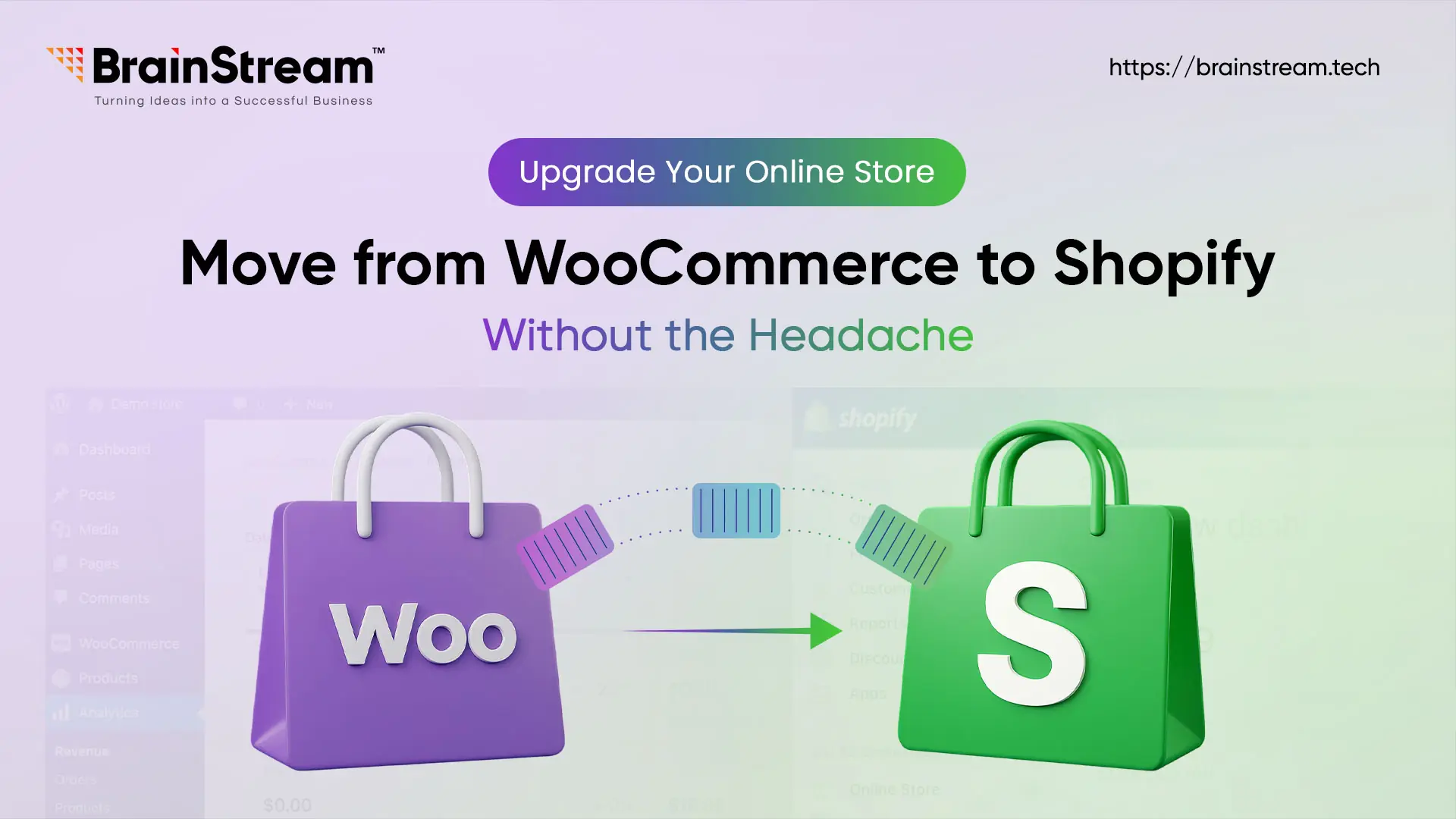
Upgrade Your Online Store: Move from WooCommerce to Shopify Without the Headache

If you’re running your store on WooCommerce and thinking about switching to Shopify — you’re not alone. And honestly? You’re making a smart move.

A lot of businesses start with WooCommerce because it’s flexible and open-source. But as your store grows, managing it can turn into a full-time job: too many plugins, slow performance, security updates, and the need to call your developer way too often.

That’s where Shopify comes in. It’s clean, fast, secure, and built to help you focus on what really matters — growing your business.

In this blog, we’ll break down why moving from WooCommerce to Shopify makes sense, how to do it step by step, and what benefits you’ll gain once you make the move.

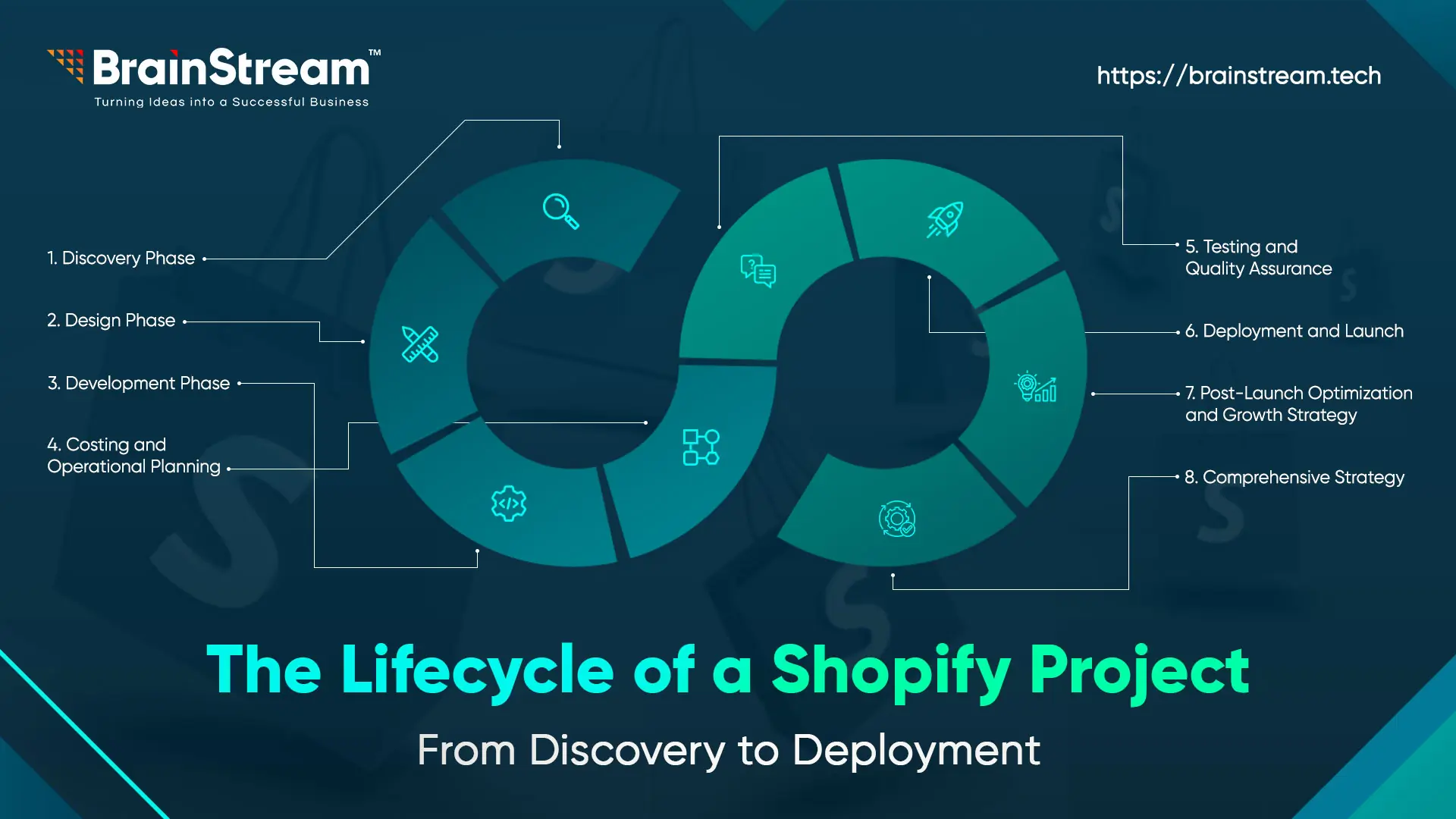
The Lifecycle of a Shopify Project: From Discovery to Deployment

Launching a successful Shopify store is not just about picking a theme and uploading products. It’s a structured process involving technical, financial, operational, and marketing decisions that affect performance and growth. This article outlines each critical stage of a Shopify project lifecycle — from initial discovery to final deployment — while considering real-world business factors like costing, logistics, and post-launch scaling.

Supercharge Your Shopify Store with Free Apps 

In the ever-evolving world of e-commerce, having the right tools can significantly improve your store’s performance, user experience, and conversion rates. Brainstream Technolabs offers a suite of powerful, free Shopify apps designed to address critical touchpoints in the customer journey—from engagement and product discovery to instant support and promotional urgency.

Let’s explore four popular apps and discover how they can elevate your store’s success.