Category: Shopify
8 Best Ecommerce Platforms for Your Online Store in 2026
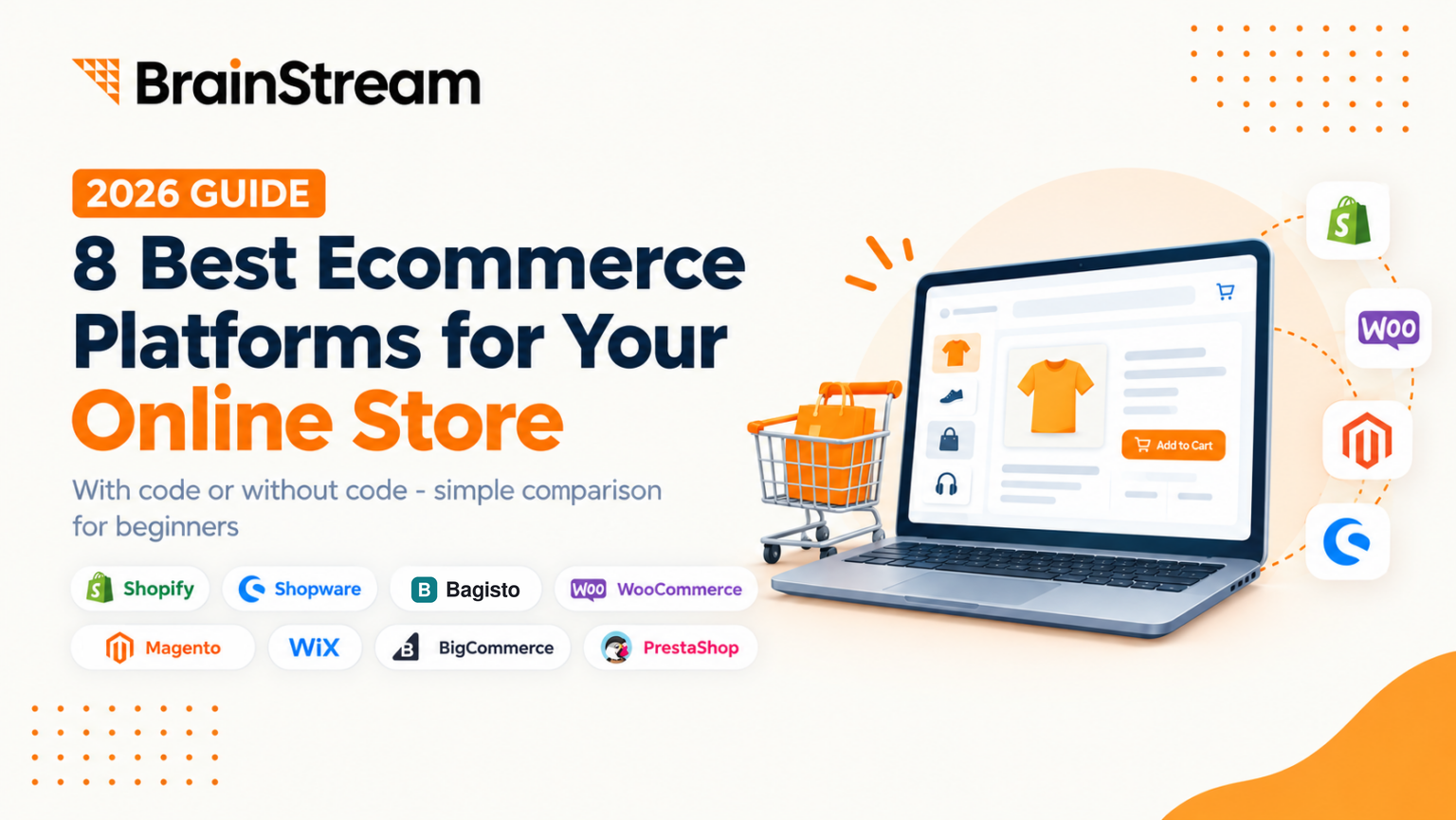
Choosing the best e-commerce platform is one of the biggest decisions you will make. The right one saves time and money. The wrong one slows you down. The good news is that you have many options. Some need zero code. Others give developers full control. This guide compares eight popular platforms in plain English. You…
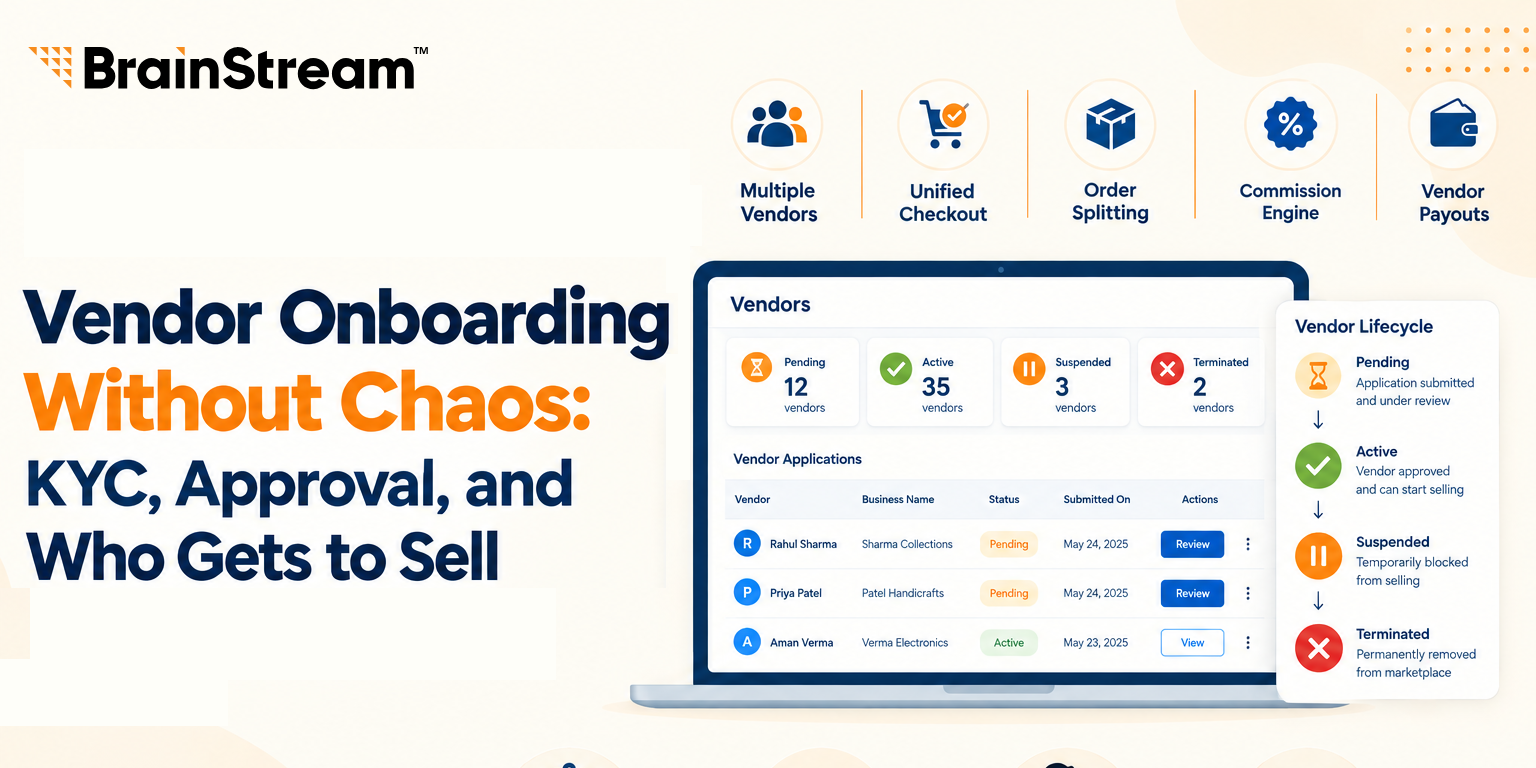
Vendor Onboarding Without Chaos: KYC, Approval, and Who Gets to Sell
 Categories: Shopify
Anyone can fill out a vendor signup form. That’s the easy part. The real question is what happens after they submit it. Do they immediately get access to the marketplace and start selling? Or does someone first check who they are, what they’re selling, and whether they’re actually a legitimate business? Getting this wrong can…
How to Sync Shopify and Odoo Exactly When You Want Using Manual and Scheduled Sync?
 Categories: Shopify
A step-by-step look at the OdooStream features that put you in control of when data moves, instead of waiting on real-time alone When Real-Time Sync Isn’t Fast Enough (or Too Fast)? Real-time sync is great, until the moment it isn’t what you need. Maybe you just made a bulk price update and want it to…
Running Multiple Independent Businesses on One Shopify Store: Why Data Isolation Matters
 Categories: Shopify
When you build a marketplace, one of the first things you think about is how vendors will sell their products, manage orders, and receive payouts. What usually gets less attention is what happens behind the scenes as the marketplace starts to grow. Imagine you have 20 vendors using your marketplace. Everything is running normally, and…
How to Choose the Right Shopify Development Company in the USA?
 Categories: Shopify
If you’ve searched “Shopify development company USA,” you’ve probably noticed the problem already: everyone says the same thing. Every agency calls itself experienced, every portfolio looks polished, and every homepage promises “custom solutions.” So how do you actually tell who’s good, and who’s just good at marketing themselves? This guide walks through what to actually…
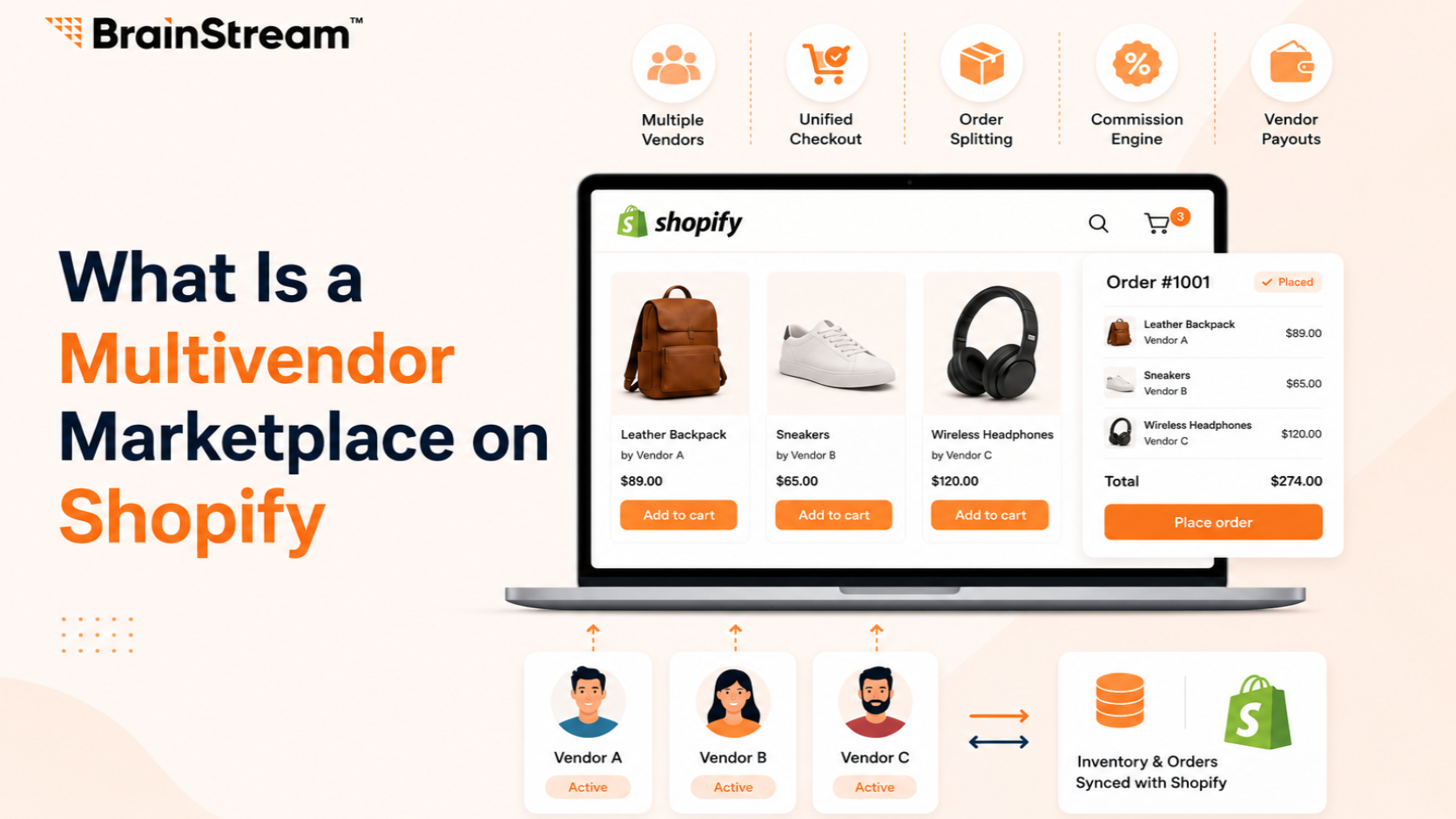
What Is a Multivendor Marketplace on Shopify (and Why Shopify Alone Can’t Do It)
 Categories: Shopify
If you’ve thought about building the next Etsy, Amazon Marketplace, or Flipkart, Shopify is one of the first platforms that comes to mind. It’s fast, reliable, and provides everything needed to launch a modern ecommerce store. But there’s one important catch. Shopify is built around a single merchant selling to customers. When you want multiple…
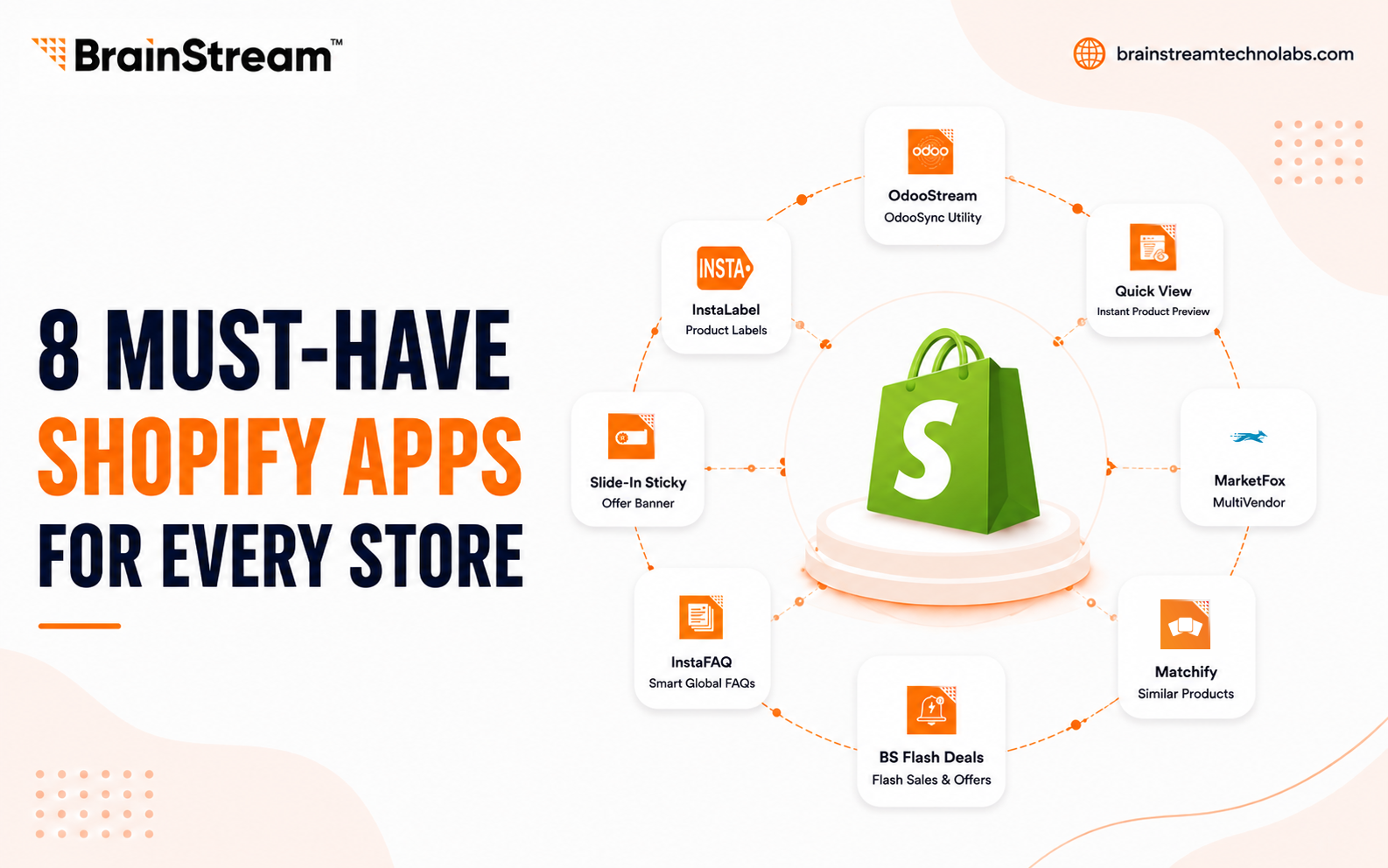
8 Must-Have Shopify Apps to Grow Your Store in 2026
 Categories: Shopify
Looking for the best Shopify apps to increase sales in 2026? The right apps can help you improve product discovery, create urgency, increase average order value, reduce support friction, and automate backend operations. As your business expands, you may need to manage more products, answer more customer questions, run promotions, improve product discovery, connect your…
Custom Shopify Development vs Shopify Themes: Which Is Better?
 Categories: Shopify
Choosing the right approach for your Shopify store is one of the most important decisions you’ll make. While Shopify offers hundreds of ready-made themes, many growing businesses eventually need features that go beyond a standard template. So, should you use a Shopify theme or invest in Custom Shopify Development? The answer depends on your business…
How to Sync Shopify Orders Automatically with Odoo ERP?
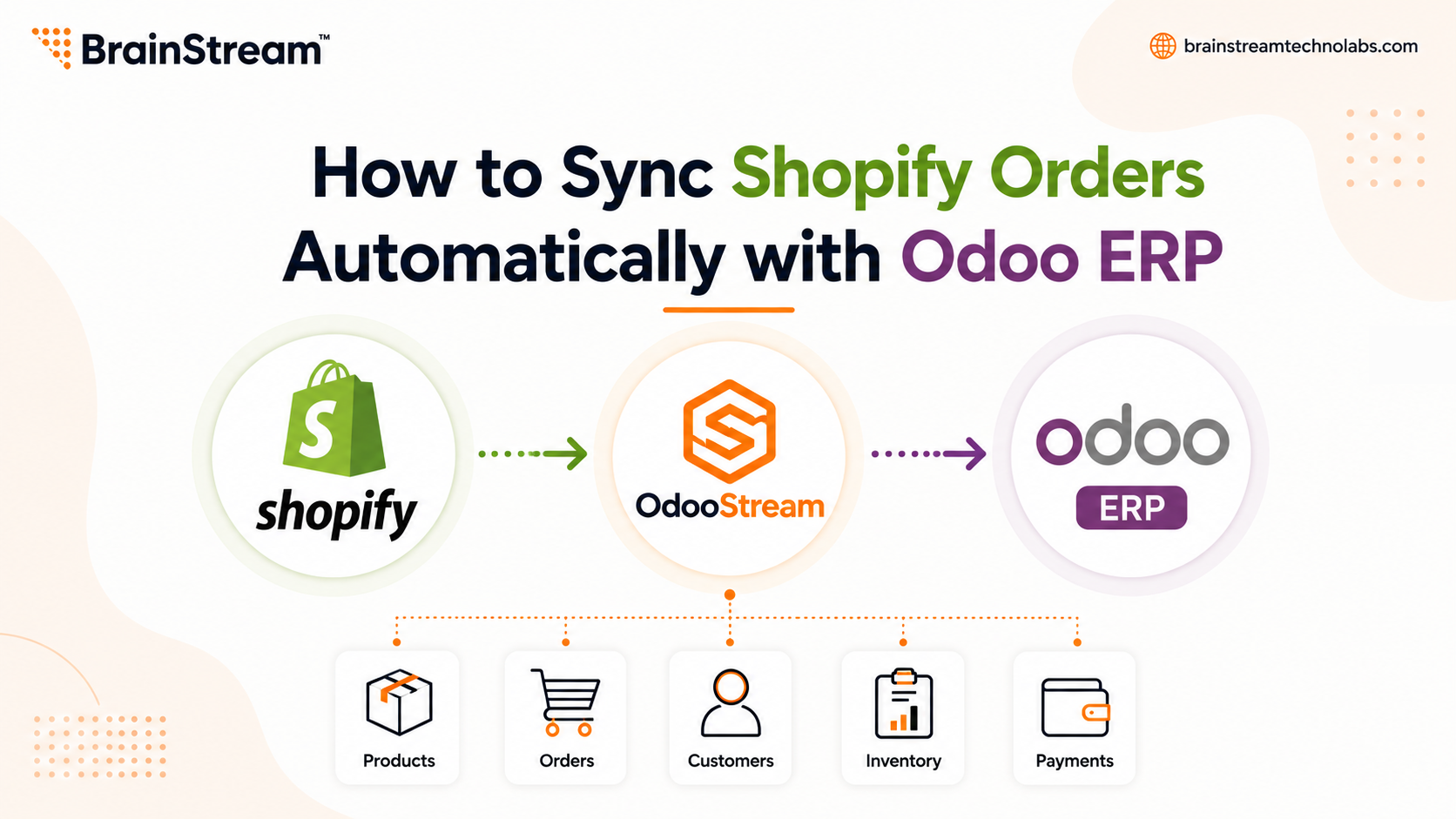
Running a successful Shopify store involves more than just selling products. Every order needs to be processed, inventory must stay accurate, and customer information should remain up to date. Many growing businesses still copy Shopify orders into Odoo manually. While this may work in the beginning, it quickly becomes time-consuming as order volume increases. The…
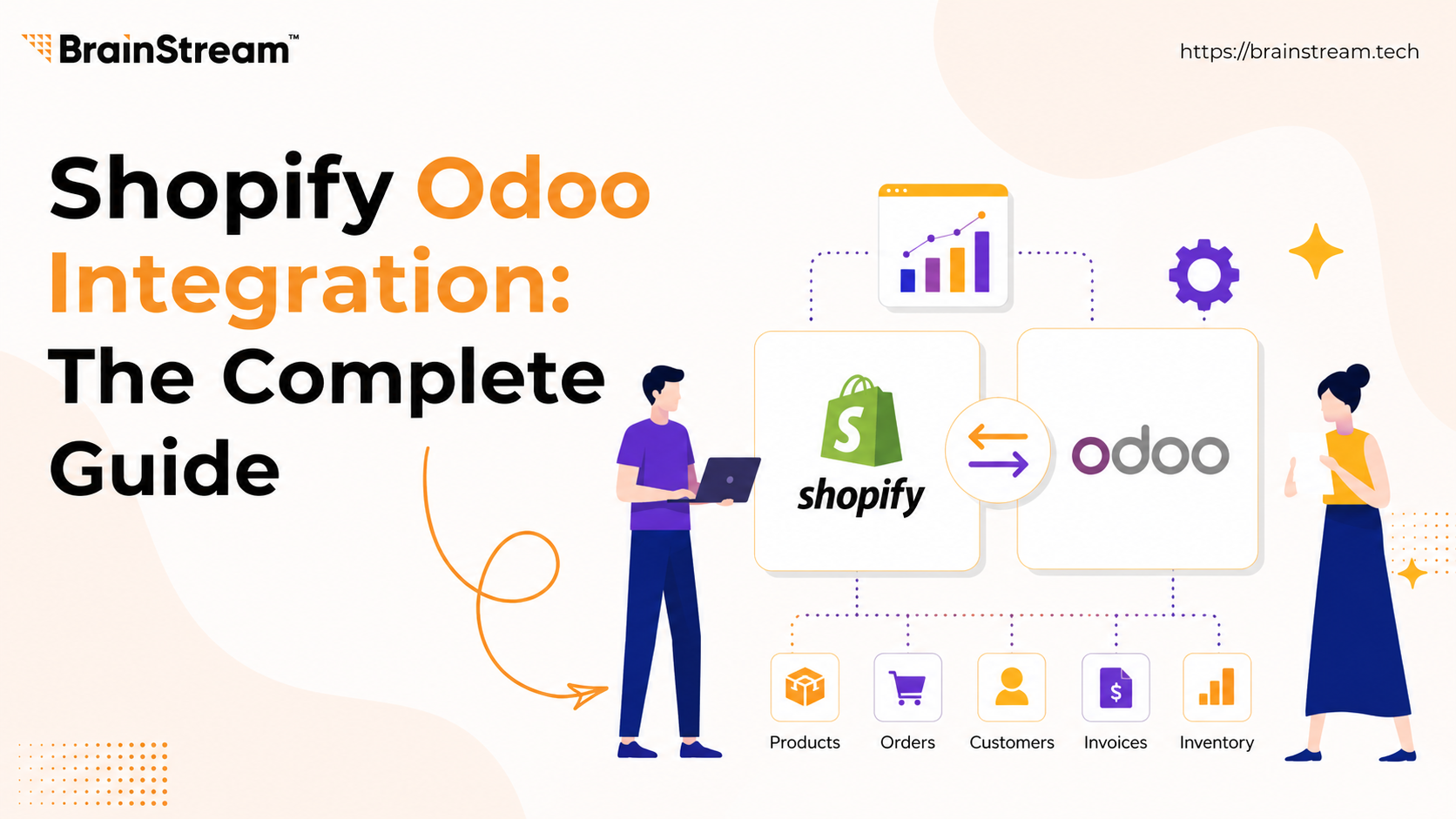
Shopify Odoo Integration: The Complete Guide (2026)
 Categories: Shopify
Managing an eCommerce business involves much more than selling products online. As your store grows, handling orders, inventory, customers, payments, and shipping manually becomes time-consuming and increases the risk of errors. If you use Shopify for your online store and Odoo ERP to manage business operations, integrating both platforms can help automate your daily workflows.…