








Top 10+ Shopify Wholesale Apps in 2026

Ultimate Guide to the Best B2B & Wholesale Solutions for Your Shopify Store

Wholesale functionality allows Shopify merchants to sell products in large quantities, offer tiered pricing, manage business customers, and streamline bulk order workflows, all without running a separate store. Shopify’s core platform is excellent for direct-to-consumer (DTC), but with the help of wholesale apps, you can unlock powerful B2B features and scale your business efficiently.

In this comprehensive guide, we’ll walk through the top 10+ Shopify wholesale apps in 2026, including their features, pricing insights, and best use-cases, so you can choose the right solution for your wholesale business.
Shopify POS App: Features, Benefits, Integrations & Comparison Guide (2026)

In today’s retail world, integrating in-store and online sales is a game-changer. Whether you’re running a brick-and-mortar store, a pop-up stand, or an omnichannel business, having a point-of-sale system that syncs seamlessly with your online store is essential.

Shopify POS (Point of Sale) is a powerful app that lets merchants manage in-person sales and online store operations from a unified dashboard. Built to work seamlessly with the Shopify eCommerce platform, this POS solution helps streamline sales, inventory, customer data, and reporting in real-time across every sales channel.

In this guide, we’ll explore what Shopify POS is, the standout features it offers, the key benefits for retailers, and some top integrations to enhance your retail operations in 2026.

Beginner’s Guide to Setting Up a Shopify Fashion and Apparel Store in 2026

If you’re a fashion business owner planning to take your brand online, choosing the right eCommerce platform is the foundation of your success. With multiple platforms available, deciding where to build your fashion store can feel overwhelming. However, Shopify continues to be the preferred choice for fashion and apparel brands thanks to its reliability, flexibility, and ease of use.

The fashion eCommerce industry is expanding rapidly, making this the perfect time to launch an online store. Shopify store development empowers fashion entrepreneurs with a complete solution, right from designing a visually appealing storefront to managing inventory, handling payments, and processing orders efficiently. Even without technical expertise, Shopify makes launching and running a fashion store simple and scalable.

That said, building a successful fashion store isn’t just about setting it up. With increasing competition, standing out requires smart planning, strong branding, and the right growth strategies. This guide walks you through everything you need to know to build a Shopify fashion and apparel store in 2026.

A Complete Guide to Headless Shopify: Unlocking the Power of Hydrogen & Oxygen

If you’re exploring Headless Shopify, chances are you’re already facing challenges like limited design flexibility, slow storefront performance, complex third-party integrations, or scalability issues with your existing Shopify setup. Traditional theme-based stores often struggle to keep up with fast-growing businesses that demand custom user experiences and omnichannel commerce.

This is where Headless Shopifycomes into play.

In this guide, we’ll walk you through everything you need to know about Headless Shopify, what it is, how it works, why Hydrogen and Oxygen matter, real-world use cases, development steps, cost considerations, and future trends. Let’s dive in.

Shopify Magic Explained: AI‑Powered Tools Transforming Ecommerce Business

Artificial Intelligence is no longer a future concept in ecommerce; it is already reshaping how online stores are built, managed, and scaled. Shopify is one of the world’s leading ecommerce platforms and has embraced this shift with Shopify Magic, an AI‑driven feature set designed to simplify daily store operations and improve productivity.

In this blog, we’ll explore what Shopify Magic is, how it works, its key features, benefits, and limitations, so you can understand whether it’s the right fit for your ecommerce business.

Shopify Store Optimization Guide 2026: Boost Speed, SEO & Sales

Is your Shopify store struggling with slow loading times, low traffic, or declining conversions? In today’s competitive eCommerce landscape, global online sales are projected to jump from $4.12 trillion in 2024 to $8.5 trillion by 2032. Shopify powers over 10% of the global eCommerce market and nearly 29% of U.S. stores, making store optimization a crucial factor in long-term growth.

This guide covers everything from Shopify speed optimization, SEO enhancements, and conversion strategies to advanced techniques like AI predictive analytics, multi-channel integration, and headless Shopify solutions. By following these strategies, you’ll improve user experience, increase search visibility, and drive sustainable growth.

Shopify vs Shopify Plus: Major Differences That Matter for Merchants

Choosing the right ecommerce platform can directly impact how fast your business grows, how well your store performs under pressure, and how much control you have over customer experience. Shopify is one of the most popular ecommerce platforms globally, trusted by millions of merchants. But as businesses scale, many start asking an important question: Is Shopify Plus worth it?

This guide breaks down the real differences between Shopify and Shopify Plus, not just features on paper, but what actually matters for merchants running or scaling an online store.

Shopify vs Shopware: Which E-Commerce Platform Is Best for Your Business?

Choosing the right e-commerce platform is one of the most important decisions for any online business. With rapid digital transformation and fierce competition, the choice between Shopify and Shopware can define your growth, scalability, and long-term success. Both platforms enable you to build powerful online stores, but they differ fundamentally in philosophy, features, flexibility, and cost. This guide compares Shopify and Shopware based on real capabilities, current platform data, and user feedback to help you make an informed choice.

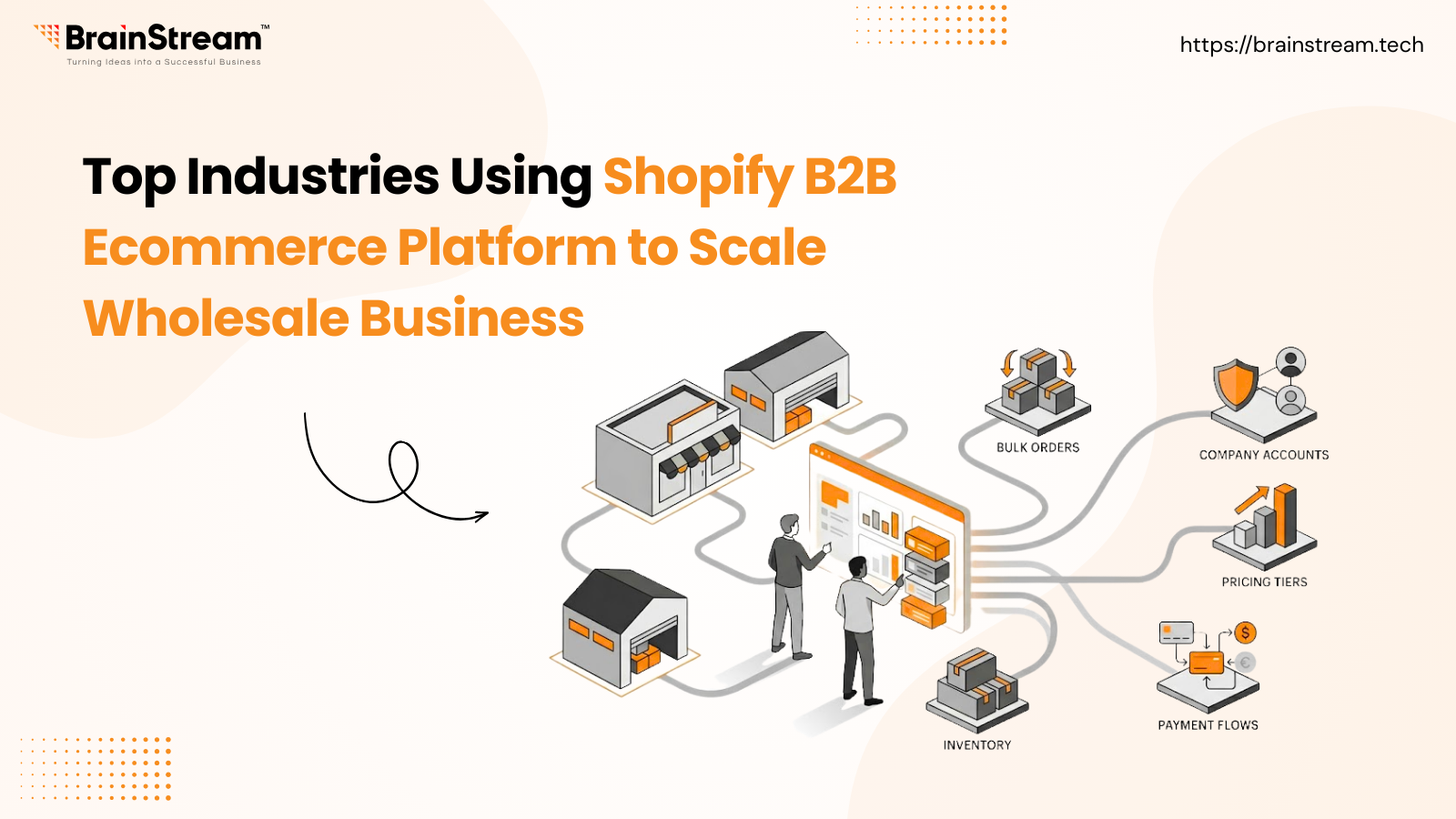
Top Industries Using Shopify B2B Ecommerce Platform to Scale Wholesale Business

E-commerce is no longer just about selling to individual consumers. The rise of B2B e-commerce has opened new avenues for brands across various industries to streamline wholesale operations, reach more business clients, and scale more quickly. Shopify, with its dedicated B2B platform, enables businesses to manage both direct-to-consumer (D2C) and wholesale sales from a single dashboard.

Whether you are a fashion label, a cosmetics manufacturer, a gourmet food supplier, or a tech retailer, Shopify B2B allows you to handle bulk orders, customise pricing, and automate workflows all without the complexity of managing separate systems.

In this article, we explore the top industries utilising Shopify B2B, the reasons behind their platform choice, and how it’s helping businesses transform their wholesale operations.

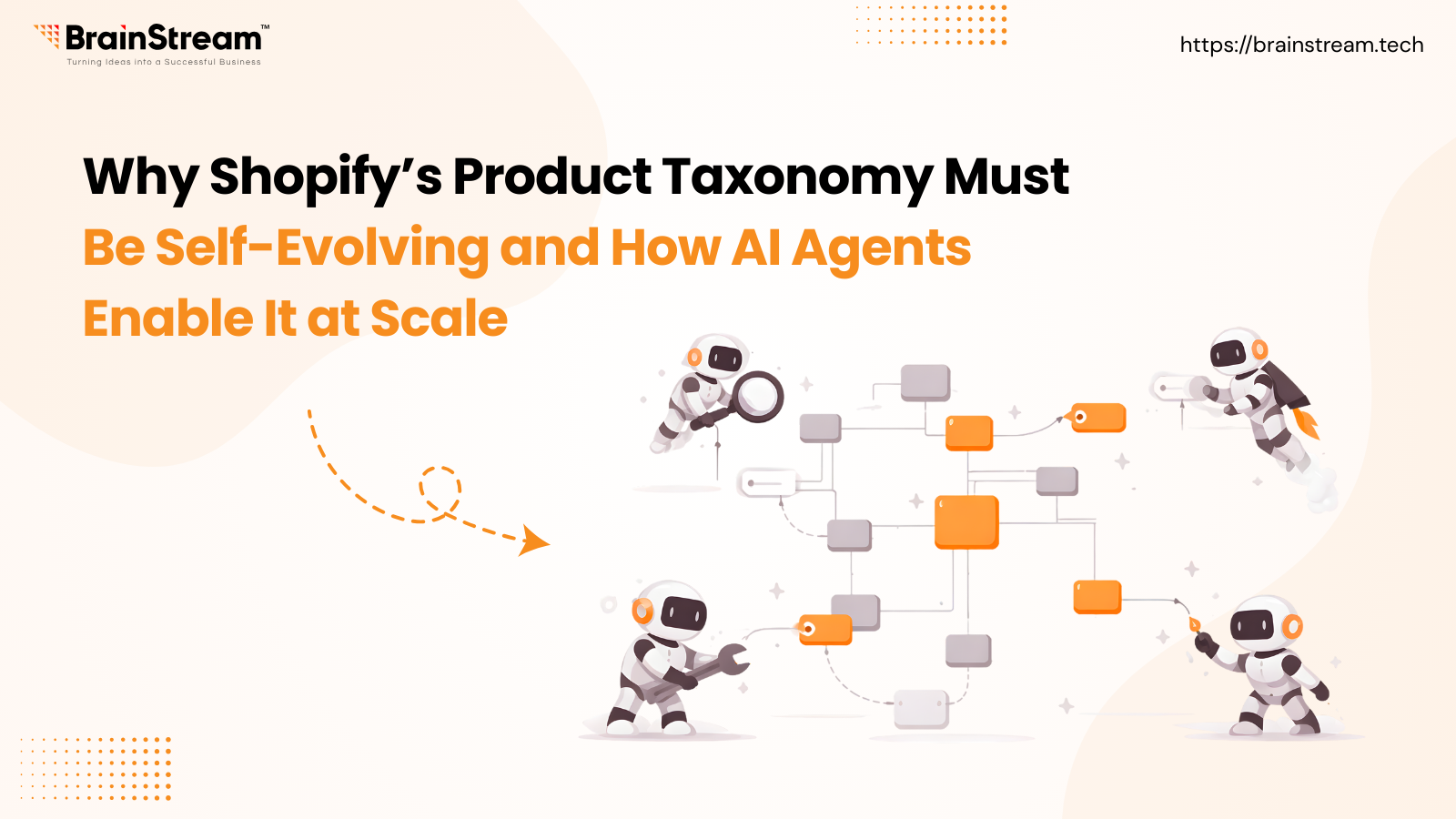
Why Shopify’s Product Taxonomy Must Be Self-Evolving and How AI Agents Enable It at Scale?

Shopify’s product taxonomy is one of the most critical yet least visible systems powering the platform. It defines how millions of merchants describe their products and how customers discover them through search, filters, recommendations, and analytics.

At Shopify’s scale, taxonomy is not just a classification layer; it is core commerce infrastructure.

And like all infrastructure operating at a global scale, it cannot remain static.