












Summary:
Even in 2026, Google Tag Manager remains a crucial tool for marketers despite the rise of advanced AI and data platforms. GTM continues to power accurate tracking, conversion measurement, ad optimization, and integrations across analytics and automation tools. It provides a secure, scalable, and efficient way to manage marketing tags. This year’s updates reinforce GTM’s importance and ensure it stays a core part of every modern marketing strategy.
December 2, 2025
In the technologically exciting world of AI tools and data-intensive marketing platforms, Google Tag Manager (GTM) may seem outdated. However, this shouldn’t detract from the fact that even in 2026, GTM will remain one of the most powerful tools in any marketer’s technology toolkit.
Furthermore, whether you need to track website conversions, optimize advertising, or combine analytics and automation platforms, GTM is a powerful engine that runs everything efficiently, securely, and at scale.
We’ll review the changes expected in Google Tag Manager in 2026 and learn why this tool deserves a high-level place in any marketing strategy.
2026 GTM Year-End Checklist for Marketers
Before entering 2026, make sure you:
- Audit all existing tags and triggers
- Migrate key pixels to server-side container
- Enable Consent Mode 2.0
- Review GA4 event structure
- Implement first-party data strategy
- Clean up old/unused tags
- Validate naming conventions & folder structure
- Test everything in GTM preview + Tag Assistant
- Review data privacy + legal compliance
- Set up version control with publishing notes
Why Will Google Tag Manager be Relevant in 2026?
When GTM was introduced in 2012, it served a straightforward but crucial need: marketers relied on developers to make all the changes to the tracking code. Today, it has evolved into a comprehensive data orchestration platform that combines analytics, advertising, and automation, all organised into a single dashboard.
So why is GTM still relevant?
It can be used to bridge the gap between innovative marketing programs and technological breakthroughs.
As data privacy regulations become more restrictive and multi-channel marketing becomes more complex, GTM offers three key benefits in 2026:
All tracking and pixels are centrally controlled.
Fast deployment by developers without delays.
Privacy-first tracking, compatible with GA4, consent mode, and server-side tagging.
Overall, GTM is the core of modern marketing analytics, no longer a mystery to customers but a necessity for operations.
Google Tag Manager's Major Updates for 2025
Google Tag Manager (GTM) continues to evolve. Over the past year, Google has released several updates to address the changing world of marketing, driven by privacy, automation, and artificial intelligence. Marketers should be aware of these major changes:
1. Smart Tag Suggestions
GTM now uses AI-powered tag recommendations, taking existing configurations into account and recommending tags that are not currently in the configuration, such as conversion events, scroll tracking, or outbound click tracking. This feature works when the Container’s omnipresent assistant continuously audits the system.
2. Improved Server-Side Tagging
Server-side tagging, previously considered complex and unnecessary, has become mainstream in 2025. It enables tracking data to be sent through a dedicated cloud server instead of directly to the browser, which:
- Reduces page-load impact.
- Improves data accuracy.
- Protects user privacy.
For agencies managing multiple clients or e-commerce brands tracking hundreds of events, this is a very important change.
3. Privacy and Consent Mode 2.0
Given the proliferation of regulations like GDPR, CCPA, and new US state privacy laws, Consent Mode 2.0 is now deeply integrated with GTM. Marketers can set conditional tags that only activate upon user consent, thus avoiding guidelines violations, yet still providing analytical accuracy.
4. Event Builder and GA4 Integration
Integration between GTM and Google Analytics 4 (GA4) has never been more seamless. In 2025, it will now possible to define custom events directly within GTM and automatically send events to GA4, avoiding complex code and developer support.
5. Debugging Made Easier
The updated Tag Assistant Live makes it possible to debug in real-time across multiple domains and browsers to see which tags fired, why others didn’t, and how data layers behave. This eliminates the need for guesswork and in-depth inspection of the console.
The Rise of Server-Side Tagging: The Future of Tracking
If you aren’t exploring server-side tagging yet, now is the time to start.
What It Means
Instead of sending user data directly from the user’s browser to other platforms like Google Ads or Facebook, SST sends that data through your own secure servers.
Why It’s Important
- Improved data accuracy – fewer blocked cookies/lost signals.
- Improved privacy compliance – sensitive data never leaves your server unfiltered.
- Improved performance – because fewer scripts are running on your website, they will load faster.
Bonus Insight
Google now has GTM server containers hosted directly in Google Cloud to make it easier for small to medium-sized businesses to implement server-side tagging without complicated setup.
In short:
If you aren’t investigating server-side tagging yet, 2026 is the time to start.
GTM + AI: Smart Marketing Automated
Artificial intelligence has transformed the way marketers track and interpret data, and GTM is evolving with it.
Marketers are currently integrating GTM with:
- BigQuery to analyze tag data in real time
- ChatGPT or customized AI models to automate campaign insights
- Zapier and Make (Integromat) to automate marketing actions
Imagine a setup where:
- A new form submission initiates GTM
- Sends data to GA4 and CRM
- Triggers personalized follow-ups via email automation
This isn’t a fantasy; yes, it will happen in 2026. GTM is quietly becoming the automation backbone of digital campaigns.
Privacy, Compliance and the Cookieless Era
Previously, marketers tracked nearly all of their users’ interactions; however, by 2025, privacy considerations will have become imperative. Initiatives like Google’s Privacy Sandbox, Apple’s App Tracking Transparency, and several US privacy laws have necessitated a transition to consent-based tracking.
Thankfully, GTM now supports these features:
- Consent Mode 2.0
- Data Anonymization Tools
- Dynamic Tag Firing Rules
So marketers can track honestly and collect actionable information while maintaining user trust.
As Google moves toward a cookieless web, GTM’s flexible architecture ensures that conversions and user journeys can be measured using privacy-safe methods, including first-party data and server-side event data collection.
Practical Application Cases Marketers Shouldn't Overlook
Let’s take a look at practical implementations. Digital marketers are using GTM in the US in 2025 to:
1. Advanced E-commerce Tracking
Tracking add-to-cart, checkout, and purchase events using GTM synced with GA4 and Google Ads to enable accurate ROAS tracking.
2. Generating Maximum Lead Optimization
Monitoring form submissions, scroll depth, and video engagement to better understand lead intent on landing pages.
3. Cross-Platform Attribution
Integrating GTM with CRM systems like HubSpot or Salesforce to unify customer journeys and reduce data silos.
4. Conversion API Integration
Connecting GTM to Meta’s Conversion API using a server-side setup to ensure accurate ad attribution despite evolving privacy regulations.
5. Marketing Automation Triggers
Using GTM to trigger events that contribute to marketing workflows, including email campaigns, retargeting, or chatbot follow-ups.
Common GTM Mistakes (and How to Avoid Them)
Even in 2025, many marketing teams continue to misuse GTM. The following common mistakes should be avoided:
- Firing duplicate tags multiple times
- Unstructured naming conventions (use clear foldering and naming conventions to streamline and speed up the process)
- Not using version control (always publish with version notes)
- Ignoring tag sequencing (run scripts in the proper order)
- Not testing (always use preview mode before live updates)
These small errors can cause major tracking problems, and you could lose thousands due to incorrectly reported data.
Why GTM is the Future of Marketing
The truth is:
Clean and organized tracking data is the foundation of any great dashboard, AI campaign, or analytics report.
And Google Tag Manager excels at it.
In 2026 and beyond, as marketing becomes more data-driven and privacy-conscious, GTM will become even more important.
It’s not just a tag tool; it’s your marketing command centre and the link between analytics and creativity.
Conclusion
Keep GTM at the core of your marketing stack.
Despite the rapid evolution of digital marketing, Google Tag Manager keeps pace with the latest developments in AI, privacy, and technology.
From consent management to server-side tagging, GTM has demonstrated its ability to grow with your company, protect user information, and maintain the effectiveness of your campaigns.
So, when creating your 2026 marketing roadmap, keep the following in mind:
GTM is essential; it’s not an option.
It’s the data engine for your marketing automation.
Furthermore, it remains the most intelligent way to manage the location, timing, and method of success tracking.
Because, ultimately, excellent measurement is the first step to great marketing, and Google Tag Manager is still the best tool to achieve it.

Bhavesh Chipa 

Bhavesh is a digital marketing expert and seasoned blog writer with a passion for SEO, content strategy, and online growth. He helps businesses boost their digital presence through data-driven strategies and engaging content.
Share :


Related Blog
Digital Marketing
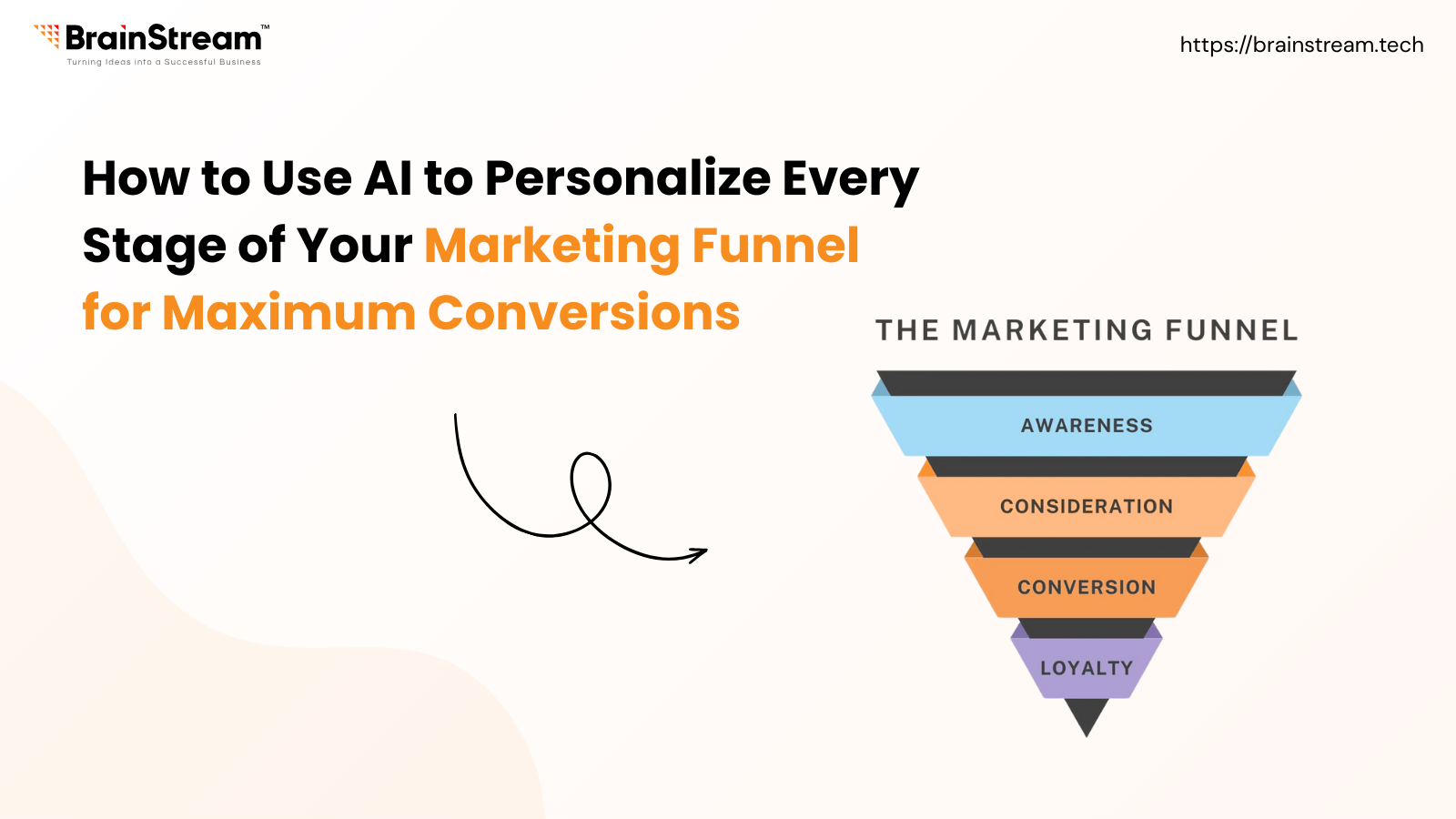
How to Use AI to Personalize Every Stage of Your Marketing Funnel for Maximum Conversions
Personalization isn’t a "nice-to-have" anymore; it’s a must-have. Today’s audiences expect experiences tailored to their needs, preferences, behavior, and even mood. The problem? Most businesses still treat personalisation as an add-on rather than a core strategy. AI changes all of...
Digital Marketing
Zero-Click Searches & AI Overviews: How to Stay Visible in 2026
Search is changing faster than most businesses realise. If you’re still measuring success only by clicks, rankings, or traffic volume, 2026 might feel uncomfortable. Because the truth is simple: users no longer need to click to get answers. Google, Bing,...
Digital Marketing
Schema & Map Strategies: Ensuring Your Site Is LLM Crawlable
Search is no longer just about ranking on Google. In 2025, the rise of AI-driven discovery engines powered by large language models (LLMs) like ChatGPT, Claude, and Gemini has changed the way people find answers online. Your website may be...


Keep up-to-date with our newsletter.
Sign up for our newsletter to receive weekly updates and news directly to your inbox.